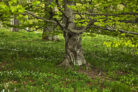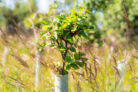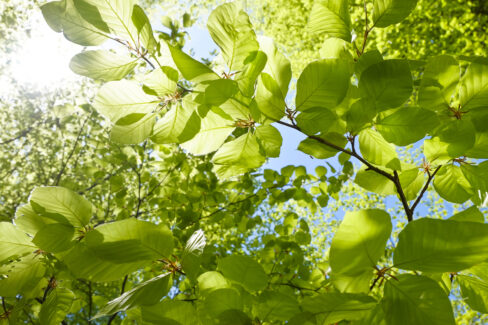
Beech trees are impressive giants, and not just because of what you see above ground. Their root systems are just as ambitious, growing into a massive, well-branched network that keeps the tree fueled up. It’s no wonder that beech trees in the wild get along just fine without any extra fertilizer. But what about the ones in your backyard?
What Does a Beech Tree Actually Need?
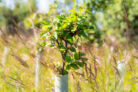
The need for nutrients is definitely there. After all, beech trees are genetically programmed to reach an impressive size. For a homeowner, the real question is whether the tree’s roots can track down enough nutrients on their own. Most of the time, the answer is yes! The main exception is young saplings, which need a little time to establish that extensive root system.
Since “adult” beech trees are constantly pulling nutrients from the soil, they do benefit when those reserves are topped off. However, you have to be careful—too much of a good thing can actually do more harm than good.
The Best Fertilizers for Beech Trees
You’ve got a few great options when it comes to feeding your beech tree. It really comes down to what’s most convenient for you:
- Mature compost
- Leaf litter (from the tree itself!)
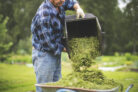
- Grass clippings
- Various organic fertilizers
- Mineral fertilizers (use sparingly)
- Liquid fertilizer (perfect for container-grown trees)
When Should You Fertilize?
Your beech tree should get its first helping of compost right at planting time. After that, young trees should be fertilized regularly for a few years. Older, established trees only need a boost every now and then, or very small amounts of fertilizer.
- Apply organic fertilizers once in the spring.
- In the fall, simply leave the fallen leaves on the ground to decompose.
- Use grass clippings as mulch from April through September.
- Follow the instructions for liquid fertilizers.
- Only fertilize between April and September; otherwise, new growth won’t harden off properly before winter.
- Keep mineral fertilizers away from the trunk to avoid chemical burns.
Stick to just one type of fertilizer per year—that’s plenty. For example, if you let the leaves decompose where they fall or regularly spread grass clippings around the base, adding a heavy dose of compost on top of that is overkill for a mature tree.
Quick Tip:
Only leave healthy leaves under the tree. If you notice signs of diseases or pests, it’s better to rake those up and dispose of them quickly to keep the tree healthy.
Test the Soil Before You Overdo It
If your beech tree seems to be struggling or its growth is looking a bit stunted, don’t just start dumping fertilizer on it. Instead, take a soil sample and send it to a lab for analysis. This way, you can figure out exactly what’s missing and give your tree the specific nutrients it needs without the guesswork.