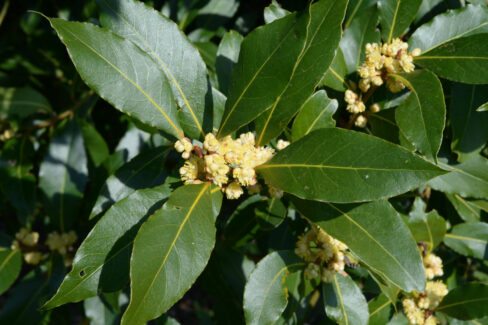
Bay laurel is a pretty low-maintenance addition to any garden, but if you’re planning on feeding yours, you’ll want to have a game plan. Overdoing it or using the wrong stuff can actually do more harm than good. Here’s the lowdown on how to keep your laurel happy and healthy.
When to Fertilize Your Bay Laurel
If you’ve planted your bay laurel as a hedge directly in the ground, you usually don’t need to worry about fertilizer at all. As long as you’ve picked a good spot with decent soil, the plant generally finds everything it needs on its own. That said, if your soil is a bit thin, a little boost now and then doesn’t hurt—just don’t go overboard.
It’s a different story for container plants, though. Nutrients tend to wash out of the soil every time you water your pots. The best time to fertilize is between March and May. This gives the plant a nice energy boost right when it’s entering its natural growth phase, and it ensures the new roots can establish themselves before any frost hits.
How to Apply Fertilizer
- Gently scrape away the top layer of old soil.
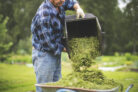
- Apply a fresh mix of compost and organic potting soil.
- Well-aged horse manure also works wonders as a natural nutrient boost.
The Best Fertilizer for Bay Laurel
When it comes to feeding your laurel, natural is usually the way to go. Compost, aged cow manure, or horse manure are all fantastic options. If you prefer using store-bought synthetic fertilizers, just double-check the label to make sure it’s a good fit for laurel plants. By the way, starting a compost pile in your backyard is a total game-changer—not just for your laurel, but for your entire garden!
Even better than constant fertilizing is making sure your laurel is sitting in the right dirt from day one. This is especially important if you’re growing bay laurel in a pot. They love sandy or humus-rich soil. Choosing the right substrate ensures the roots have the perfect environment to thrive without needing constant “vitamin” shots.