Beech hedges are hungry plants that crave nutrient-rich soil. To make sure your young trees take root and thrive, you’ll need to keep them fueled with all the essentials. In this post, I’ll walk you through exactly what to feed your hedge and the best tips for success.
Prep the Soil for a Strong Start
If you’re planning to plant a beech hedge, the secret to success starts with the ground beneath your feet.
Here’s your pre-planting game plan:
- Loosen up the soil at the planting site to give those roots room to breathe.
- Mix in some mature compost or horn shavings to enrich the substrate.
By doing this, you’re giving your young trees a “starter pack” of nutrients to help them settle in. You actually don’t need to add extra fertilizer right away; the trees need to focus on establishing a solid root system before they can efficiently process more nutrients.
Once your hedge hits its second year, it’s time to start a regular feeding routine.
Here are some great fertilizer options for beech hedges:
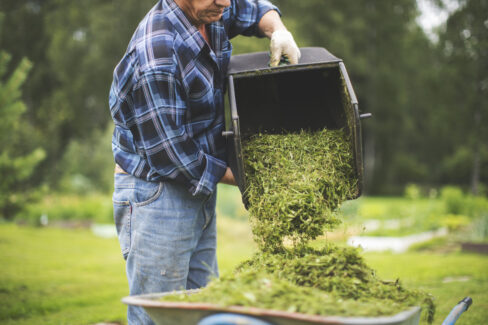
- Grass clippings
- Fallen leaves
- Compost
- Horn shavings
- Specialized beech hedge fertilizer
- Slow-release beech fertilizer
In my book, mature compost is the gold standard for hedge care. This organic matter releases nutrients slowly over time, which helps you avoid the common mistake of over-fertilizing. Just spread a thin layer of compost around the base and gently rake it into the topsoil.
If you prefer using mineral fertilizers, I highly recommend getting to know your soil first. Grab a soil sample and send it off to a lab for testing. It’s an inexpensive step that saves you a lot of guesswork (and potential headaches) down the road.
Beech hedges can be a bit sensitive to over-fertilizing, so it’s always better to use a little less than what the label suggests. Pro tip: If you’re using synthetic fertilizer, keep it off the leaves! It can actually burn the foliage.
Timing is Everything: Fertilize During the Growing Season
Your hedge only needs a boost while it’s actively growing, which is usually from March through June. During this window, you can fertilize regularly or simply apply a slow-release beech fertilizer in March to cover your bases.
Stop all fertilizing by the end of June. If you keep feeding them later in the summer, the trees will start putting out new growth that won’t have time to “harden off” before winter. Those tender shoots will freeze, weakening the plant and making it a target for pests or diseases next season.
Let the Leaves Stay Put
When autumn rolls around, feel free to leave those fallen leaves right where they are! It’s the easiest way to enrich the soil with micronutrients. Plus, that leaf litter acts as a natural mulch, protecting the roots from frost during the winter and keeping the soil from drying out. As the leaves decompose, they turn back into valuable plant food.
One important caveat: Only leave healthy foliage on the ground. If you notice leaves infested with fungi or pests, rake them up and toss them in the trash. Fungal spores and aphids can hitch a ride in the leaf litter over winter and come back even stronger in the spring.