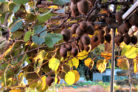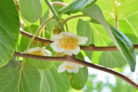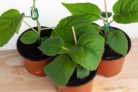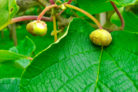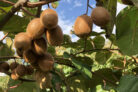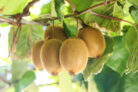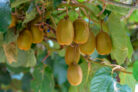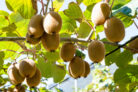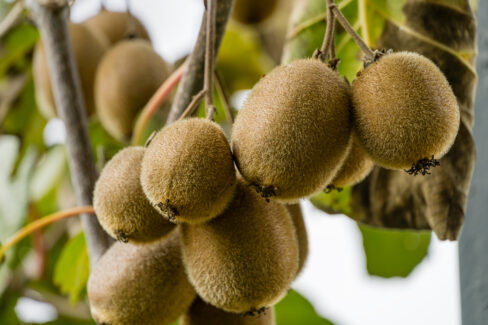
Kiwis are actually some of the easiest “exotic” fruits to grow right in your own backyard. But if you want them to thrive as much as they do in their native habitats, they do need a little bit of TLC. Let’s dive into the when and how of fertilizing your kiwi vines to get the best harvest possible.
Feeding Your Kiwis the Organic Way
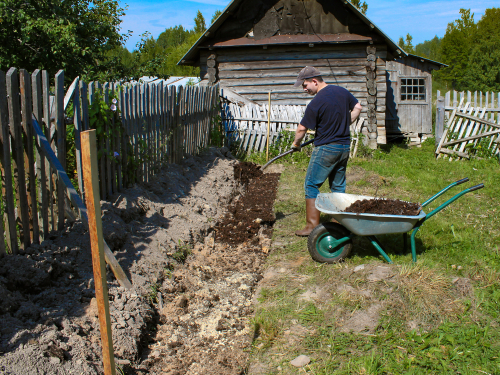
For the most part, kiwis are vigorous growers that prefer a natural approach. I usually recommend sticking with organic options like compost. Right when you see those first buds popping out in the spring, spread about a half-inch layer of well-aged compost over the root zone.
Adding a layer of mulch is another pro-tip for these exotic beauties. Mulch is a triple threat: it keeps the soil from drying out too fast, helps maintain that slightly acidic pH level kiwis love, and breaks down over time so you don’t have to reach for the fertilizer bag quite as often.
Using Mineral Fertilizers
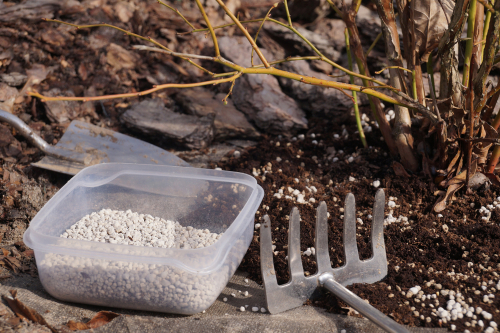
If you’d rather use a mineral or synthetic fertilizer, you have to be a little careful. Many kiwi varieties are sensitive to both lime and salt, so a “less is more” approach is definitely the way to go here.
Only use mineral fertilizers on established, healthy plants that have been in the ground for a few years. If you’re standing in the garden center feeling overwhelmed by all the options, look for fertilizers labeled for azaleas, blueberries, or rhododendrons—since those plants love acidic soil just like kiwis do, they’re usually a safe bet.
When is the Best Time to Fertilize?
If you’ve planted your kiwi in the perfect spot with nice acidic soil, you can actually take it easy for the first couple of years. During that time, the young vine will get everything it needs directly from the surrounding soil.
Once your plant hits its third year, you can start a yearly feeding routine—ideally with those organic options we talked about. Usually, one good feeding a year is plenty for these fast growers. However, if you notice your vine is looking a bit sluggish, you can give it a little “booster shot” of fertilizer between your regular maintenance sessions, alongside a good pruning to encourage new growth.
Fertilizing for Fruit Production
Once your kiwi starts actually producing fruit, it’s going to get a lot hungrier for nutrients. To support a big harvest, I recommend a two-step approach: give it a dose of compost (or a light serving of mineral fertilizer) in the early spring, and then follow up with a second feeding right when the plant starts flowering.