Mulching is a total game-changer for your garden. Think of it as an extra protective blanket sitting right on top of the soil. It saves your plants from drought stress, keeps weeds at bay, buffers against temperature swings, and even helps deter pests. The secret to success, though, is picking the right material for the job.
What should you use for mulch?
When it comes to choosing the perfect mulch, Mother Nature usually provides the best tools for the job. You don’t need to spend a fortune on fancy plastic liners from the store. Some of my favorite natural materials include:
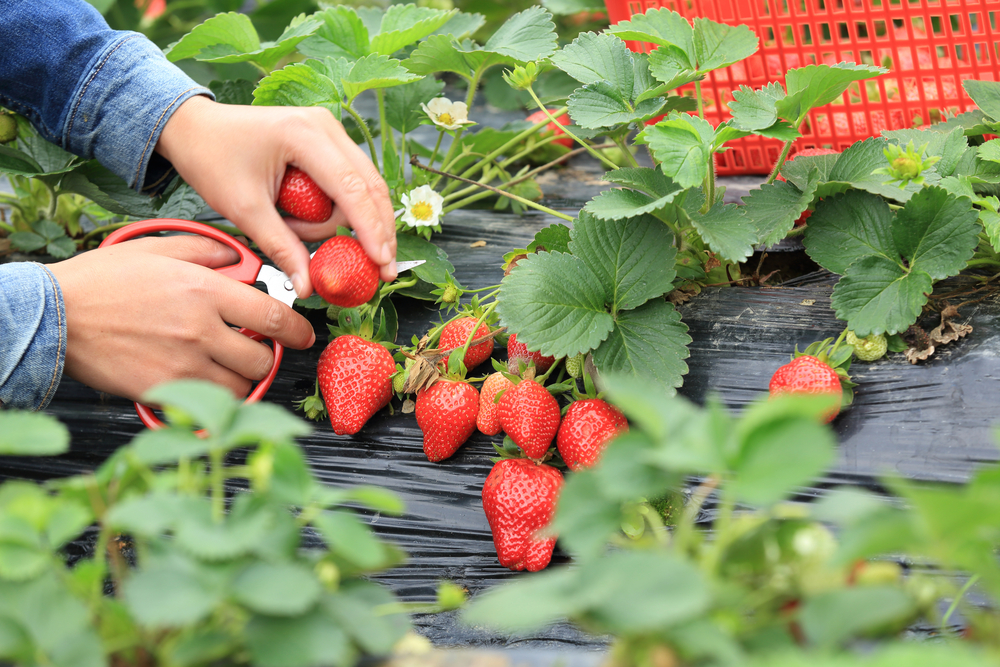
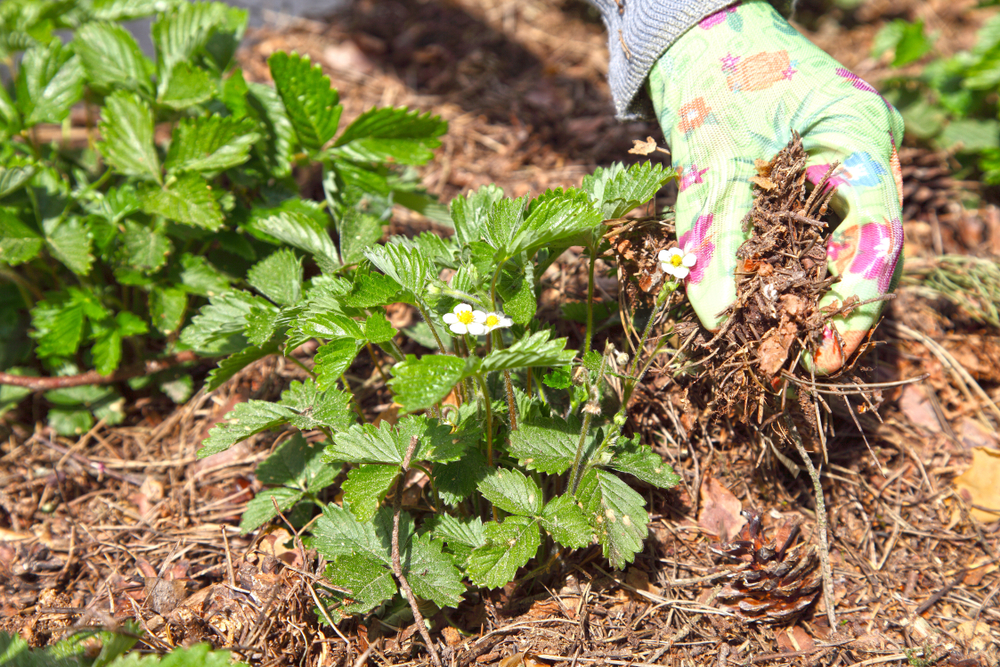
- Bark mulch: This is perfect for keeping the soil climate balanced and keeping your strawberries clean and off the dirt.
- Straw: A classic choice! It locks moisture into the ground and provides a nice, dry bed for your berries.
- Wood wool: This works wonders, especially for strawberries grown in pots or containers.
- Sawdust, pine needles, and dried leaves: These are all fantastic, budget-friendly options you might already have in your yard.
One pro tip: always make sure your material is bone-dry. Using something like wet grass clippings is a recipe for disaster, as it can lead to diseases and rot.
Timing is everything: When to mulch
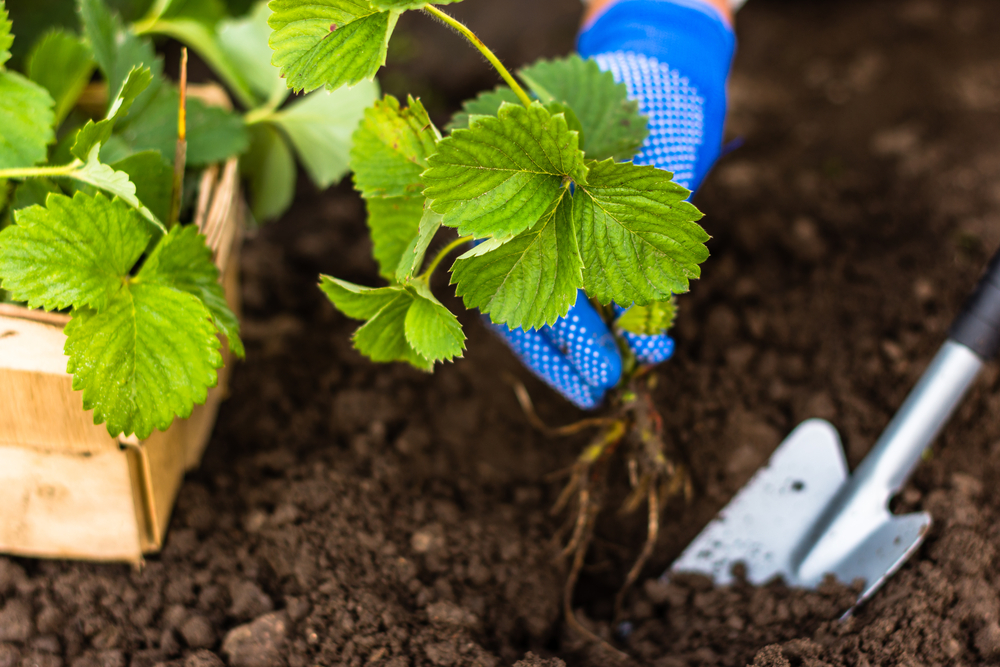
Most folks mulch right after planting, but there’s actually a bit of a debate on whether that’s the absolute best time. In my experience, the “sweet spot” is a two-step approach: mulch once right after planting, and then give it a fresh top-off just before the plants start to bloom.
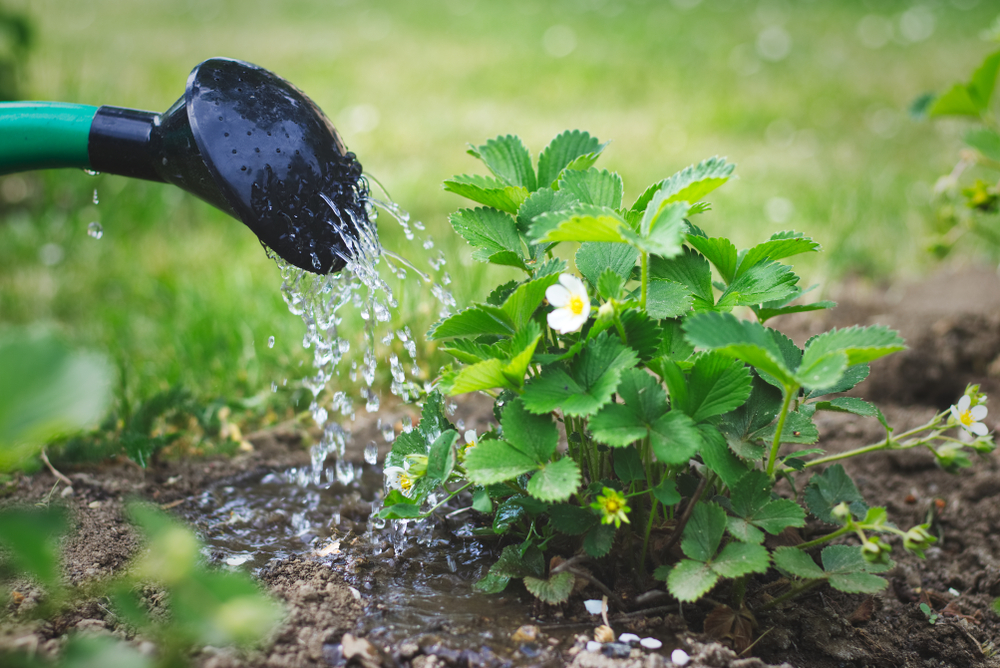
Before you spread anything, give your mulch a quick once-over for “hitchhikers.” You’ll want to pick out any large chunks of wood, stones, or stray weeds that got mixed in. Also, make sure to do one last thorough weeding session before you start. Once the ground is clear, spread your mulch evenly around the base of the plant—aim for a layer about two inches thick. Give everything a good watering, and you’re all set!
The mulch will keep your soil moist and weed-free while protecting the roots from getting too hot or cold. Just remember that mulch only protects the roots. If a late spring frost is in the forecast, you’ll still need to protect the leafy tops of the plants. A bit of garden fleece or a frost cover from the hardware store works great for overnight protection. Just be sure to take it off during the day so your plants don’t overheat!