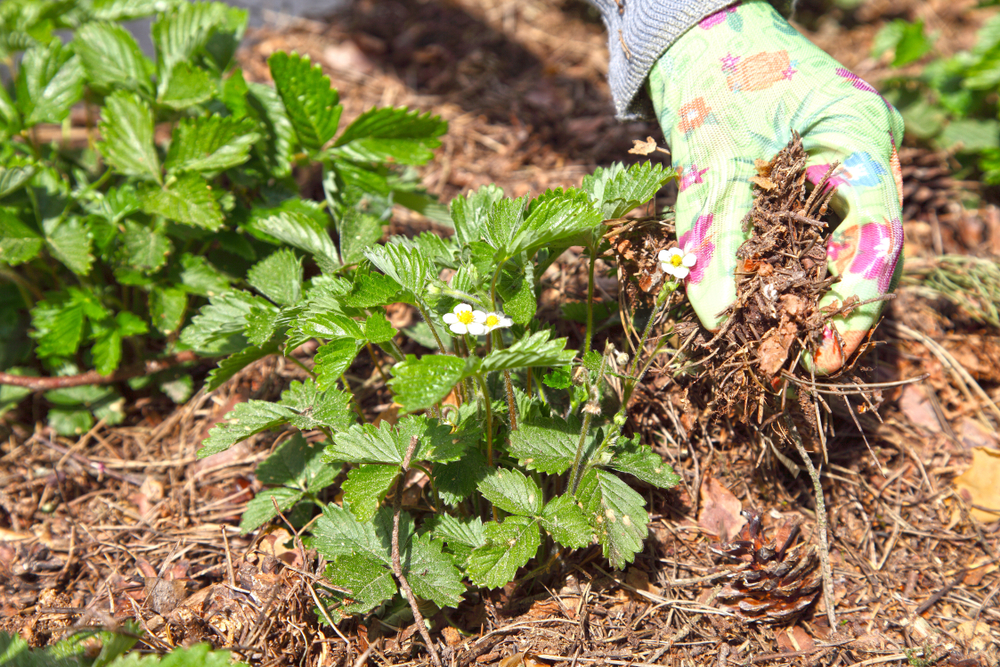
When it comes to strawberries, there’s one golden rule: the more you cater to their soil cravings, the bigger your harvest will be! If you want those heavy clusters of juicy berries, you just need to know what makes them happy and prep your garden accordingly. Here’s the lowdown on getting your soil strawberry-ready.
Soil Requirements at a Glance
While finding a sunny spot is key, the soil is really where the magic happens. To give your plants the energy they need to produce those sweet red fruits, you need to check off a few boxes. Here is what your strawberries are looking for in a home:
- Loose and airy texture
- Rich in organic matter (humus)
- Low sand content
- Nutrient-dense
- A pH level between 6 and 7 (if your soil is too acidic—below 5.5—you’ll need to add some lime)
- Consistently moist but
- Never waterlogged (no “wet feet”!)
One pro tip: keep an eye on your crop rotation. Strawberries shouldn’t stay in the same patch for more than four years. After that, the soil gets “tired” and depleted, and the risk of pests and diseases sky-rockets.
Planting in Garden Beds vs. Raised Beds
The great news is that you don’t have to just settle for the soil you have; you can build it up! If you’re a planner, you can prep your patch a year or two in advance by planting “green manure” or cover crops like mustard, leeks, or legumes.
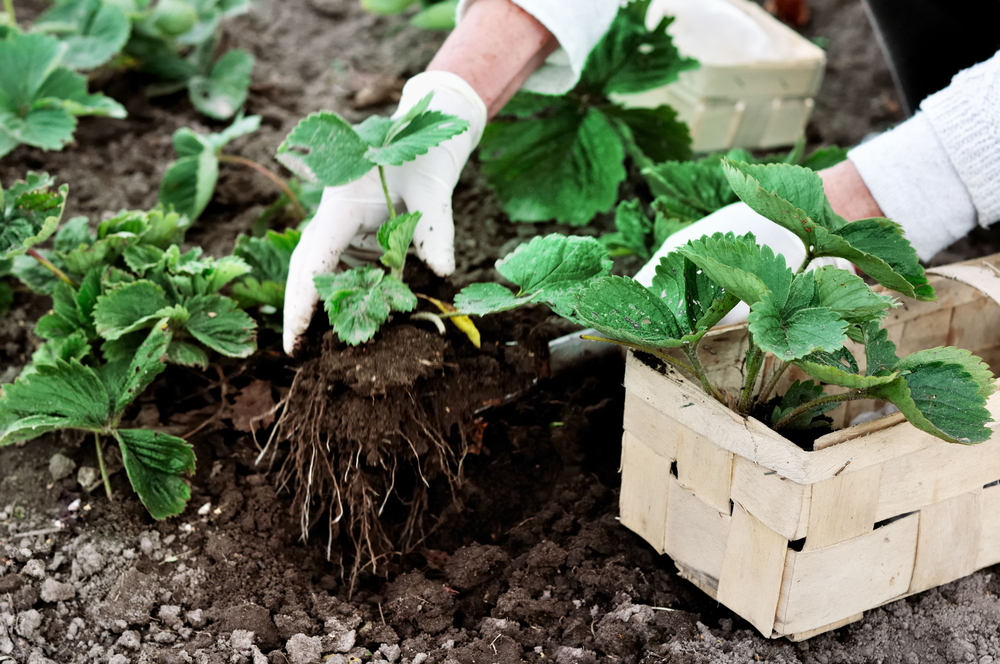
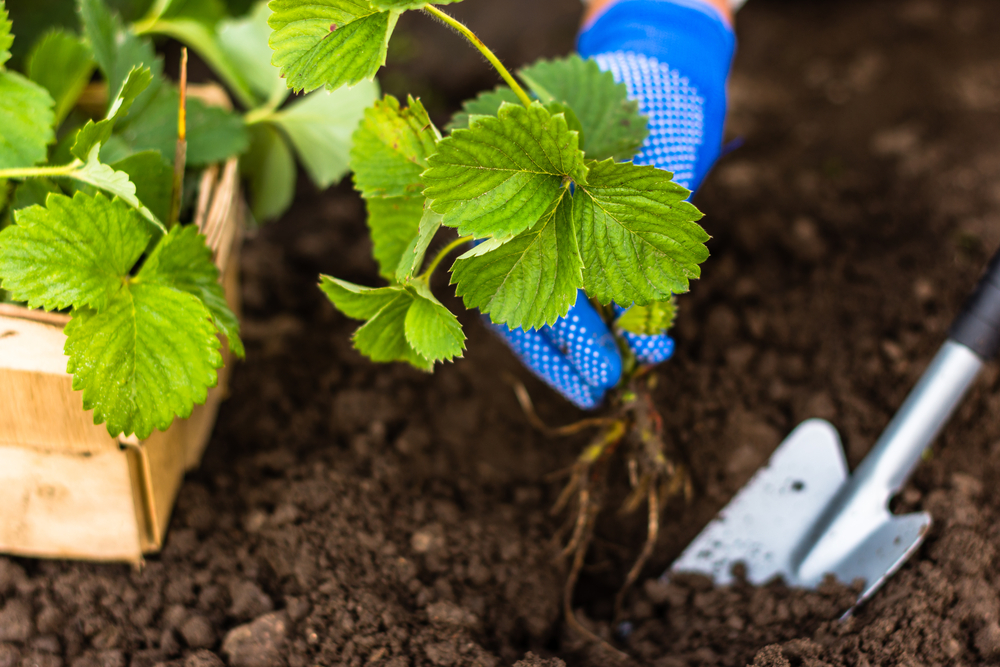
A few weeks before you’re ready to plant your berries, loosen the soil well and mix in a generous helping of compost. If you don’t have a compost pile going, a high-quality store-bought humus fertilizer works wonders too.
Once the soil is prepped, let it rest for a week or two so it can settle. My advice? Don’t buy your strawberry starts until you’re actually ready to put them in the ground. You want those plants to be as fresh as possible when they hit the dirt.
If you’re planning on growing strawberries in a raised bed, give yourself a bit more lead time—about four weeks. Raised beds are great, but because the water can’t just soak into the deep earth, you need to layer your materials properly to create good drainage. This prevents the roots from sitting in stagnant water. Just like with garden beds, make sure your plants go from the nursery to the soil as quickly as possible for the best results!