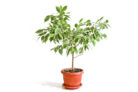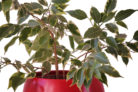
If you own a Weeping Fig, you’ve probably been there: one day your plant looks great, and the next, you’re staring at a bunch of yellow leaves. It’s a super common issue with *Ficus benjamina*, but don’t panic! I’m going to walk you through why this happens and how you can fix it (and prevent it from happening again).
Possible Causes for Yellow Leaves
When your Ficus suddenly starts showing yellow leaves, your plant is trying to tell you something is off. Usually, it boils down to one of these four culprits:
- Overwatering (Soggy roots),
- Underwatering (Dried-out root ball),
- Sunburn, or
- Using water that’s too “hard” (high lime/calcium content).
Overwatering and Root Rot
The Weeping Fig absolutely hates having “wet feet.” If it sits in standing water, the roots can start to rot, which leads to those dreaded yellow leaves. If you suspect overwatering, you’ll need to act fast. Take the plant out of its pot and shake off all the old, soggy soil from the roots. Give the pot a good scrub, too.
To prevent this in the future, add a layer of expanded clay pebbles (LECA) at the bottom of the pot for drainage, and cover them with a piece of landscape fleece before adding new soil. Use a sharp pair of clean scissors or a knife to snip away any mushy, rotten roots. Repot your Ficus in fresh, dry soil and—this is the hard part—wait about a week before you water it again.
Dried-out Root Ball
On the flip side, you don’t want to go too far in the other direction. If the root ball dries out completely, the plant won’t have enough moisture to support its foliage. The result? Leaves that turn yellow, dry up, and drop off. The trick is to keep the soil consistently, lightly moist—think of a wrung-out sponge.
Sunburn on the Leaves
Yes, plants can get sunburned too! While Weeping Figs love a bright, sunny spot—even outdoors on a patio—that intense midday sun can be too much. Sunburn usually shows up as yellow or brownish patches on the leaves. If you notice this happening, move your Ficus to a spot with filtered light or some afternoon shade immediately.
Hard Water Issues
Believe it or not, the quality of your tap water matters. Ficus plants are sensitive to “hard” water that’s high in lime and calcium. If your water is very hard, it can cause the leaves to yellow over time. Try using filtered water or, even better, collect some rainwater for your plant. Once you make the switch to softer water, you should see your Ficus start to bounce back and look healthy again.