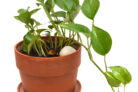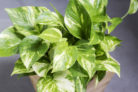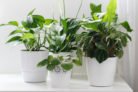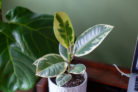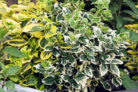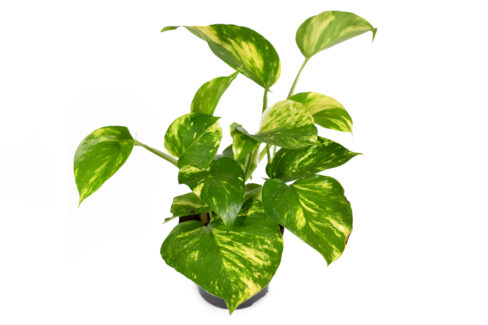
The Pothos (botanical name *Epipremnum aureum*) is a total classic in the indoor gardening world, whether you let it trail down from a shelf or train it to climb up a moss pole. The real star of the show is that gorgeous, often variegated foliage—so it’s definitely a bummer when those vibrant leaves start turning yellow.
The Root of the Problem
If you notice a random yellow leaf here or there, don’t panic! That’s usually just the plant’s natural way of shedding old growth to make room for the new. However, if you’re seeing a lot of yellowing at once, it’s time to play detective. The cause usually boils down to one of these four things:
- Poor lighting
- Low humidity
- Watering mishaps
- Nutrient deficiency
Lighting Issues
Pothos leaves can get “sunburned” if they’re getting too much direct light. While these houseplants love a bright room, they can’t handle harsh, direct midday sun.
What to do
Move your Pothos to a warm spot that gets plenty of bright, indirect light. If you’re set on keeping it in a sunny window, try using a sheer curtain to filter those intense rays.
Dry Air
Since Pothos are tropical at heart, they crave high humidity (which is why they usually thrive in bathrooms!). When the air gets too dry—especially during the winter when the heater is cranking—the leaves often react by turning yellow.
What to do
- Boost the humidity: Place a tray of water near the plant or give it a regular misting with lukewarm, filtered water.
- Relocate: Move the plant away from drafty vents or heaters.
Watering Mishaps
Watering can be a bit of a “Goldilocks” situation: both overwatering and underwatering can lead to yellow leaves. To fix it, you’ll need to take a close look at your routine.
The Fix: If the soil is bone dry
- First Aid: Give the plant a “soak bath.” Set the pot in a basin of lukewarm water and let it drink its fill until the root ball is saturated.
- Long-term: Start using the “thumb test.” Only water when the top inch of soil feels dry to the touch.
The Fix: If the soil is soggy
First Aid:
- Check the roots for rot (mushy, brown roots are a bad sign).
- Trim away any rotting sections.
- Gently rinse the remaining healthy roots under lukewarm water.
- Let them air dry slightly.
- Repot the plant into fresh, dry potting mix.
Long-term: Make sure your pot has drainage holes and cut back on how often you reach for the watering can.
Nutrient Deficiency
Once a plant has used up all the “food” in its potting soil, it needs a little extra help to keep growing strong. If it’s starving for nutrients, those leaves will lose their green luster.
What to do
- Feed your plant: Give it a dose of liquid fertilizer right away (just follow the instructions on the bottle).
- Stay consistent: Add fertilizing to your regular plant care schedule during the growing season to keep it happy and healthy!