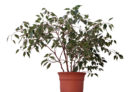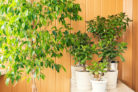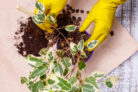
The Ficus Benjamini (or Weeping Fig, as many of us call it) is actually a pretty tough cookie. It’s generally very resilient against most diseases, but even the hardiest indoor trees can have a bad day. If your Ficus is looking a little under the weather, don’t panic! Here’s a breakdown of what might be going on and how to fix it.
Common Symptoms and Their Causes
Most of the time, when a Weeping Fig looks “sick,” it’s actually just reacting to a mistake in its care routine rather than a true disease. However, infections can happen occasionally. Let’s look at how to tell the difference and what steps you should take.
Issues Caused by Care Mistakes
A lot of the symptoms that look like a scary disease are actually just your plant’s way of telling you it’s unhappy with its environment. These aren’t contagious illnesses, just “lifestyle” complaints. You’ll usually see:
- Green leaves dropping suddenly,
- Yellowing leaves, or
- A completely dried-out root ball.
These issues are usually triggered by:
- Moving the plant too often (they hate change!), inconsistent light, or just not enough light in general,
- Drastic temperature swings or cold drafts,
- Low humidity or dry air from your heater,
- Standing water in the pot (overwatering),
- Or using water that is too “hard” or high in lime.
If your Ficus is showing these signs, it’s time to audit your Ficus Benjamini’s location and your watering habits. Usually, once you fix the environment, your plant will bounce back pretty quickly.
Infections and True Diseases
Sometimes, it really is an infection. When grown indoors, these are the most common culprits you might run into:
- Leaf Spot (Septoria): You’ll notice small yellow spots (about 1/8 inch) that eventually merge together.
- Bacterial Canker: Look for green spots on the undersides of the leaves and cork-like, woody growths on the tops.
- Root Rot: This and other fungal pathogens usually happen if the soil stays too soggy.
- Powdery Mildew: This one is easy to spot—it looks like a white, flour-like coating on both the tops and bottoms of the leaves.
How to Treat Viruses, Fungi, and Infections
If you catch an infection early, most can be treated effectively with a good fungicide. One pro-tip: move your Ficus into “quarantine” in a separate room while you treat it. This keeps the spores or viruses from jumping over to your other favorite houseplants!
Sticky Leaves Aren’t a Disease
If you notice sticky leaves on your Ficus, it’s actually not a disease at all—it’s a sign of uninvited guests. Sticky residue (honeydew) is a classic sign of a pest infestation. Usually, scale or aphids are the cause of that sticky mess on the foliage.