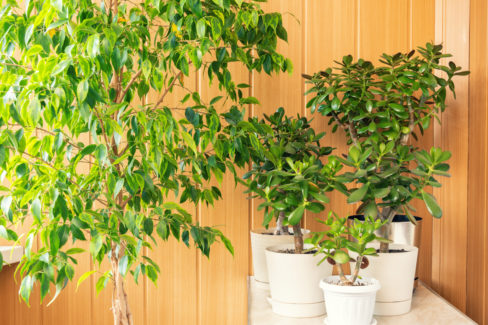
The Weeping Fig, or *Ficus benjamina*, isn’t just a classic indoor plant—it actually loves spending some time in the fresh air! Your balcony or patio can be the perfect summer vacation spot for your Ficus, as long as you keep a few key things in mind to keep it happy and healthy.
Finding the Perfect Outdoor Spot
A *Ficus benjamina* can be a stunning, evergreen focal point out on your balcony. However, to make sure it thrives under the open sky, you’ll want to check off these requirements:
- Light: Aim for a spot with bright, indirect light or partial shade.
- Sun Protection: Avoid harsh, direct midday sun at all costs.
- Temperature: These guys like it warm—ideally between 65°F and 82°F (18-28°C).
- The Limit: Never let the temperature dip below 60°F (16°C).
- Shelter: Keep it protected from strong drafts and gusty winds.
- Bonsai Care: If yours is a bonsai, make sure it’s shielded from heavy downpours.
Watch Out for Sunburn
Believe it or not, plants get sunburned too! If your Ficus gets too much direct light, you’ll start seeing unsightly yellow or brown patches on the leaves. This is why protecting it from that intense afternoon sun is so important. If you notice your plant is starting to scorch, move it to the shade immediately. Depending on how bad the burn is, those spotted leaves might recover, or the plant might just drop them and grow fresh ones once it’s feeling better.
The Secret to Success: Hardening Off
You wouldn’t spend all day at the beach without a base tan, right? Your Ficus needs the same preparation. Before moving it to a sunny balcony spot, “harden it off” by placing it in a very shady outdoor area first. Let it get used to the fresh air and natural light levels for a few days before gradually moving it into a brighter location.
A Note for Cat Owners
When picking the perfect spot on your patio, keep your furry friends in mind. *Ficus benjamina* leaves contain sap that is toxic to cats and can cause some pretty serious health issues if nibbled. While outdoor cats usually follow their instincts and stay away, indoor cats might be a bit too curious for their own good. Make sure the plant is out of reach!