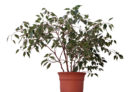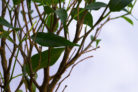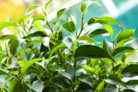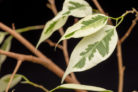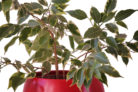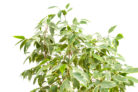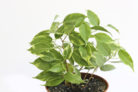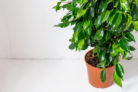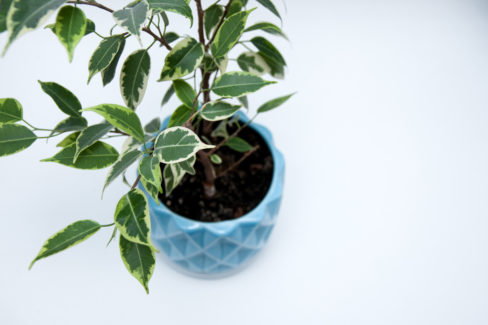
The Ficus Benjamini (or Weeping Fig, as many of us call it) originally hails from tropical and subtropical regions. In those parts of the world, the humidity is consistently sky-high. Today, we’re going to dive into whether this popular houseplant expects that same “tropical spa treatment” when it comes to watering in our own homes.
Common Watering Mistakes to Avoid
When it comes to keeping your Ficus hydrated, most plant parents fall into one of two extremes. Both can be a death sentence for your greenery:
- Under-watering: Waiting too long between drinks, which leads to a bone-dry root ball and crispy, shriveled leaves.
- Over-watering: Being a bit too generous with the watering can, resulting in standing water and the dreaded root rot.
Finding the “Goldilocks” Zone
Both too much and too little water can seriously stress out your Ficus Benjamini. To keep it happy, you need to find that perfect middle ground. When you get the balance right, your plant will reward you with an upright posture and lush, vibrant green leaves. If you notice your Ficus is dropping leaves, take it as a cry for help—it’s usually the first sign that your watering routine is off.
How to Water Like a Pro
To make sure your Weeping Fig gets exactly what it needs, keep a close eye on the soil. The golden rule? Wait until the top layer of soil feels dry to the touch before reaching for the watering can. You want the root ball to stay consistently moist, but never soggy. By checking the soil first, you ensure the roots never completely dry out, but aren’t “swimming” either.
Preventing Standing Water
Avoiding “wet feet” (standing water) is crucial. If the roots sit in water, they’ll start to rot, which can eventually kill the entire plant. You can set yourself up for success right from the start by ensuring good drainage. Try mixing your potting soil with a bit of expanded clay, gravel, or sand. This is especially important for Ficus Benjamini bonsais, as those shallow pots are notorious for trapping water. Always make sure any excess water can drain away freely.
Mist for Success: Boosting Humidity
Since the Weeping Fig is a tropical native, it absolutely loves high humidity. Our indoor air can get pretty dry, so your plant will thank you if you mist its leaves regularly with lukewarm water. This is a lifesaver during those parched winter months when the heater is running, or on scorching summer days. Pro tip: Use filtered water or rainwater to mist your plant; this prevents those annoying white lime scale spots from forming on the beautiful foliage.