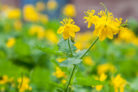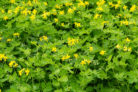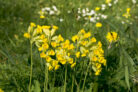
Greater Celandine (Schöllkraut) is a fantastic choice if you’re looking to add a touch of natural, wild greenery to your garden. In the wild, it tends to pop up in very specific spots. To help you track it down, I’ve put together a quick guide on what to look for. With these tips, your foraging trip is bound to be a success!
What Makes a Perfect Spot for Greater Celandine?
Greater Celandine is a bit picky about its “home.” In the wild, you’ll mostly find it in spots that range from partial shade to full sun, usually where the soil stays a bit moist. It’s definitely a fan of the warmth and isn’t too fond of the cold.
One of the coolest things about this plant is that it’s a “nitrogen indicator.” It loves nitrogen-rich soil, so if you see a big patch of it, you can bet the ground there is packed with nutrients.
Timing is Everything: Look for the Blooms
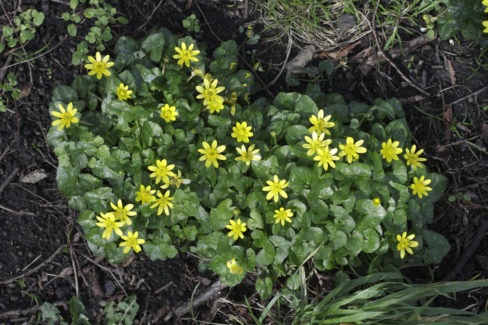
Your search will be a whole lot easier during its blooming season. From April all the way through September, the plant produces small, bright yellow flowers. Since the rest of the plant is a fairly nondescript green, those little pops of yellow make it much easier to spot!
The Best Places to Look
Greater Celandine has a few favorite hangouts. When you’re out and about, keep your eyes peeled in these areas:
- Open woodlands and forest edges
- Damp banks along creeks and rivers
- Old stone walls (it loves growing in the cracks!)
- Stony, unmanaged wasteland
- Anywhere near anthills (more on that in a second!)
The Secret Connection to Ants
Pro tip: If you find an anthill or a busy “ant highway,” Greater Celandine is usually nearby. Why? Because ants actually love the seeds! They carry them back to their nests for food, eat the tasty parts, and then discard the rest. This basically makes ants the plant’s personal landscaping crew, helping it spread and grow in new spots.
Why It’s Often Found Near Old Settlements
You’ll frequently spot Greater Celandine along roadsides or near old villages. This isn’t a coincidence—it’s a nod to the plant’s history. Because of its long history in herbal medicine, people used to grow it close to home, and it has stuck around those areas ever since.
Bringing Greater Celandine to Your Garden
One thing to keep in mind is that Greater Celandine is a pro at self-seeding. If you decide to plant some, make sure you pick a spot where it has plenty of room to spread out. You’ll want to ensure it doesn’t crowd out your other favorite plants as it makes itself at home!