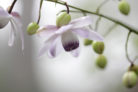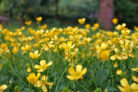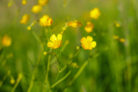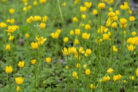
Think you can’t find the perfect spot for a buttercup in your yard? Think again! Thanks to the incredible diversity of this plant family, there’s almost certainly a variety that will feel right at home in your garden. In this guide, I’ll walk you through the most popular members of the Ranunculaceae family for your home landscape.
Meet the Buttercup Family
Around here, we often call them buttercups, but from a botanical standpoint, that name doesn’t cover the whole family. The Ranunculaceae family is actually a massive genus with a huge variety of species, each bringing its own unique flair to the garden.
Pro Tip: There are about 2,500 different species in this family worldwide! Most of them are spread across the Northern Hemisphere. In fact, the only place you won’t find them is Antarctica—it’s just a bit too chilly for them there.
Popular Varieties You Might Know
- Columbine (Akelei)
- Clematis
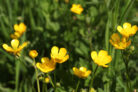
- Traditional Buttercups
- Monkshood (Aconite)
- Pasque Flower
- Anemone
- Windflower
- Delphinium (Larkspur)
Common Wild Varieties:
- Tall Buttercup
- Lesser Spearwort
- Bulbous Buttercup
- Celery-leaved Buttercup
- Creeping Buttercup
- Marsh Marigold
- Goldilocks Buttercup
- Corn Buttercup
What Makes Them Special?
At first glance, you might not even realize some of these plants are related. That’s actually great news for your garden design! You get to choose from a wide array of flower shapes and colors to perfectly match your aesthetic. Another huge plus? Almost all members of this family are incredibly hardy and low-maintenance.
However, there is one thing to keep in mind: these plants contain protoanemonin. This is a bitter substance that is toxic to animals and can be harmful to humans if ingested in large quantities. Also, if you snap a stem, the sap can cause skin irritation or a rash.
Interestingly, once the plants are dried, they lose these toxic properties.
Care and Feeding
Most members of the buttercup family thrive in sunny to partially shaded spots. They generally prefer soil that stays a bit moist—which is why you’ll often see them growing wild in meadows and fields. Many common buttercups can even handle “wet feet” (standing water), as long as it doesn’t stay that way for too long.