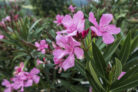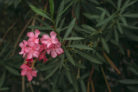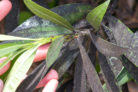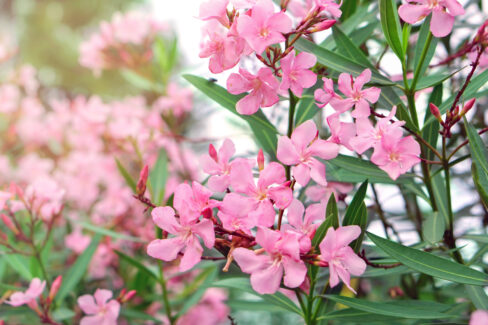
Healthy oleander leaves should be a vibrant, glossy green. But let’s be real—sometimes you walk out to your patio and notice weird white spots or a dusty coating on your beautiful plant. If your oleander is looking a little “ghostly,” don’t panic! There are a few common culprits behind this, and I’m here to help you figure out exactly what’s going on.
Common Causes for White Spots on Leaves
If those shiny green leaves are suddenly covered in white patches or a fuzzy film, it’s usually down to one of these three things:
- A lice or scale infestation
- Spider mites
- Powdery mildew
Dealing with Lice and Scale
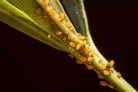
The most frequent pests found on oleanders are various types of lice and scale. You’ll usually spot these as white dots or a sticky residue on the undersides of the leaves. While aphids are common, oleanders are particularly prone to scale insects and mealybugs (which look like tiny tufts of white cotton).
The good news? You can usually handle these guys with simple home remedies like neem oil or soapy water, or pick up a specialized treatment from your local garden center.
The Trouble with Spider Mites
If you see tiny white speckles along with fine, delicate webbing that looks like miniature spider webs, you’re likely dealing with spider mites. These pests love hot, dry conditions. A quick pro-tip: spider mites hate moisture! You can often keep them at bay by giving your plant a good rinse with water and increasing the humidity around it.
Powdery Mildew: That “Floury” Coating
It’s not always bugs—sometimes it’s a fungus. Powdery mildew creates a white, dusty coating on the leaves that looks like someone spilled flour on your plant. You can usually rub this film off with your finger.
If you spot this, act fast. Prune away the affected leaves and branches and toss them in the trash (don’t compost them!) to prevent the spores from spreading to the rest of your garden.
When in Doubt, Prune it Out
Whether you’re fighting off a pest invasion or a fungal infection, a good pruning is often your best bet for a full recovery. Don’t be afraid to cut back the affected stems—just make sure you cut down to the healthy wood. If the infestation is really out of control, a radical pruning might be necessary to save the plant’s life. It looks scary at first, but oleanders are tough and usually bounce back stronger than ever!