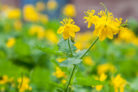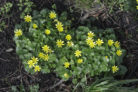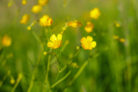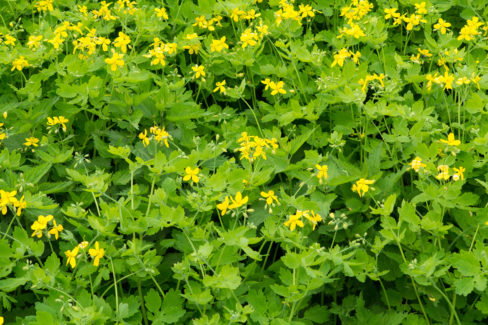
With its cheerful yellow blooms, Greater Celandine is a real standout in the garden. While you’ll often spot it growing wild along the edges of forests, in lush meadows, or lining riverbanks, it’s also a favorite for home gardeners. You might have heard it called “Wartwort,” a nickname that comes from its long history as a natural remedy.
Quick Facts & Features
Want the fast facts on this plant? Here’s a quick breakdown of everything you need to know about Greater Celandine:
- The botanical name is *Chelidonium majus*. Depending on who you ask, it also goes by names like Goldwort, Wartwort, or Tetterwort.
- This is a hardy perennial. It features a very deep taproot and a bushy, herbaceous growth habit.
- In the right spot, it usually reaches a height of about 15 to 24 inches (40 to 60 cm).
- It’s happiest in full sun to partial shade with soil that stays slightly moist.
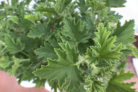
- The green leaves grow on stalks in an alternating pattern. If you flip a leaf over, you’ll notice the underside is slightly fuzzy.
- The blooming season typically kicks off in March and April.
- The flowers are small but pack a punch with a bright, sunny yellow color.
- Once the flowers fade, the plant produces fruit in the form of long, pod-like seed capsules.
Where It Likes to Grow
In the wild, you can usually find Greater Celandine hanging out in these spots:
- Forest edges
- Damp meadows
- Near riverbanks and streams
- Stony wasteland or rocky patches
- Along old stone walls
It loves a warm spot that gets anywhere from partial shade to full sun. Ideally, the soil should be nitrogen-rich, well-draining, and kept a bit moist. However, thanks to that impressive taproot, it’s actually quite tough—it can handle rocky or dry soil just fine as long as it can reach water deep underground.
Greater Celandine in Natural Medicine
As I mentioned, many people call this plant “Wartwort.” That’s because the sap contains compounds that have been used for ages to treat warts topically.
Beyond that, the plant is known for its laxative and anti-inflammatory properties. In traditional herbalism, it’s sometimes used to help with digestive issues or stomach discomfort.
A Word of Caution: It’s Toxic
While it has medicinal uses, you have to be careful: Greater Celandine is toxic. The highest concentration of toxins is actually found in the roots. If ingested in high doses or used incorrectly, it can cause nasty symptoms like nausea, vomiting, and circulatory issues. In severe cases, it can lead to toxic liver damage or even be fatal. Always handle with care and consult a professional before using it medicinally!