While some exotic orchid species are surprisingly low-maintenance and great for beginners, these tropical beauties aren’t totally immune to trouble. Even the best plant parents deal with pests and diseases from time to time! The good news? Most common issues are easy to treat if you catch them early.
The Most Common Orchid Diseases
Most orchid ailments come down to fungal or bacterial infections. If you spot them quickly, you can usually clear them up with simple household remedies.
Fungal Infections in Orchids
Orchids are particularly prone to various fungal infections. Since fungi spread through spores, they can jump from one plant to another pretty fast. Quick action is key to keeping your whole collection safe! The most frequent fungal culprits are:
- Powdery mildew
- Leaf spot disease
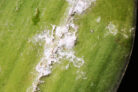
Both “true” and “false” powdery mildew show up as a white coating on the parts of the plant above the soil. Don’t confuse this with mold growth, though! Mildew looks like a grayish, dusty patina, mostly on the leaves and flower spikes. Mold, on the other hand, usually hangs out on the aerial roots or the surface of the potting mix.
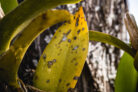
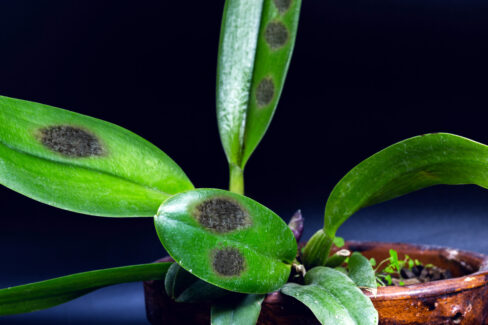
If you notice small brown or black spots on the green leaves, you’re likely looking at leaf spot disease. Luckily, this can be treated with standard remedies.
Pro tip: Always put an infected orchid in “quarantine” to keep the spores from spreading. Use a sterilized knife or shears to cut away any infected parts, and dab the cuts with charcoal powder or a bit of cinnamon to disinfect them. Just make sure you don’t toss those clippings in your compost pile—you don’t want those spores hanging out in your garden!
To fight mildew, try a mix of one quart of water and about half a cup of fresh whole milk. For brown spots, a paste made of water and cinnamon works wonders, as does rubbing the area with crushed garlic cloves. Depending on how bad the infection is, repeat the treatment every two to three days.
Bacterial Issues
Besides fungi, orchids with softer foliage are often targets for bacteria. You’ll know it’s bacterial if you see black spots that spread rapidly across the leaf and feel slightly slimy or wet to the touch. Within a few days, the whole leaf can turn color and die, which can really set the plant back.
Again, move the plant to quarantine immediately. Carefully trim away the infected leaves with sterile tools and treat the cuts with cinnamon or charcoal powder.
While your orchid is recovering, stop misting it and water very sparingly. A healthy orchid should bounce back from a bacterial invasion, but if the plant was already weak, it can be a tough battle to win.
Lice and Sooty Mold
A run-in with scale or aphids often leads to a secondary problem: sooty mold. These pests secrete a sticky substance called honeydew, which is basically a buffet for black sooty mold fungi.
Early on, you’ll see black spots on the undersides of the leaves. To stop the mold, you have to get rid of the pests!
A mix of water and vinegar, or a quart of water with a tablespoon of insecticidal soap (or castile soap) and a splash of rubbing alcohol, works great. Wipe down the affected parts regularly every two or three days. These solutions tackle both the bugs and the mold at the same time.
Dropping Flowers? Don’t Panic!
If your orchid starts dropping its blooms early, it’s usually not a disease. Usually, it’s just a sign that the plant isn’t happy with its location. It might need more light or a bit more humidity in the air.
Common Orchid Pests
Beyond fungi and bacteria, popular varieties like the Phalaenopsis (Moth Orchid) are magnets for certain pests. Keep an eye out for:
- Spider mites
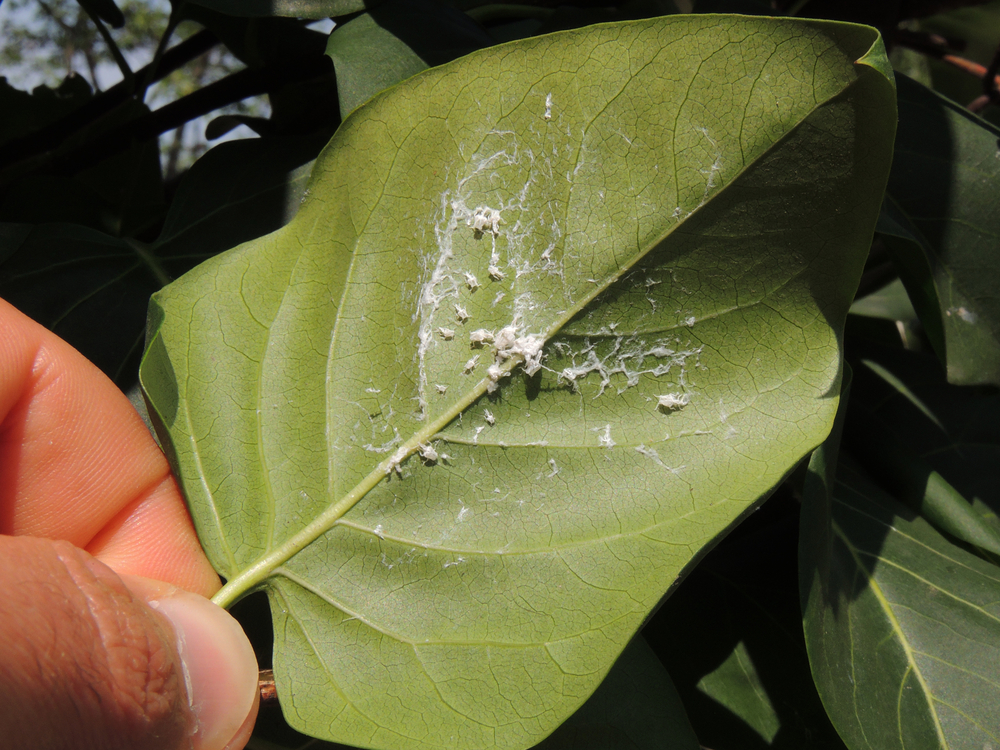
- Aphids, mealybugs, and scale
Pest infestations can weaken your orchid’s “immune system,” making it easier for fungi and bacteria to move in. The best defense is a good offense: keep your orchid in the right spot with the right care. A strong, vital plant can handle a few uninvited guests much better than a stressed one!