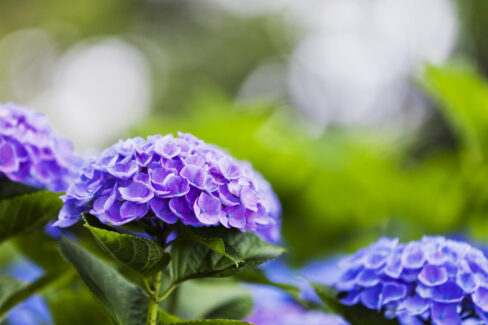
Hydrangeas are pretty tough cookies, and if you give them the right TLC, they usually stay happy and healthy. But even the sturdiest hydrangea can run into trouble sometimes. If your favorite shrub is looking a little under the weather, don’t panic! Here’s a guide on how to spot the most common hydrangea diseases and, more importantly, how to fix them.
Spotting Mildew on Your Hydrangeas
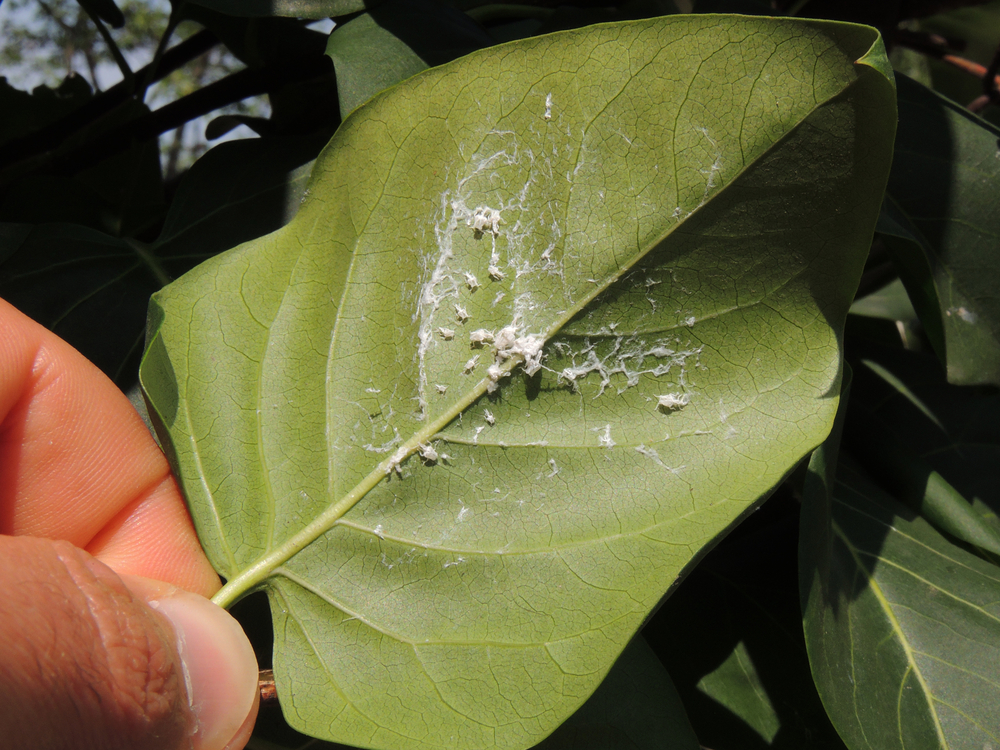
Fungal spores love a specific mix of humidity and warmth. Once they settle in, they basically treat your plant like an all-you-can-eat buffet, sucking out the sap and spreading from leaf to leaf. If left unchecked, some fungi can really do a number on your plant. However, not every fungus likes every plant. Hydrangeas are specifically prone to two types: Downy Mildew and Powdery Mildew. You can usually tell if you have a fungal problem just by looking closely at the leaves.
With Downy Mildew, you’ll notice a fuzzy growth on the undersides of the leaves, while the tops start turning yellow and eventually develop red spots. If you don’t step in, the leaves and buds will start to wither away. Powdery Mildew, on the other hand, looks like someone dusted your plant with flour or powdered sugar. In the early stages, you can actually wipe this white coating off with your finger. Later on, though, the leaves will curl up and die.
How to Kick Mildew to the Curb
If you see that tell-tale fuzzy or powdery coating, you’ve got to act fast. Moving quickly doesn’t just save the infected plant; it stops the fungus from hitching a ride to the rest of your garden. Here’s your game plan:
1. Be ruthless: Prune off any infected stems immediately.
2. Clean up: Put all those clippings straight into a sealed trash bag (don’t compost them!).
3. Natural remedies: Spray the plant several times with a garlic infusion or horsetail tea.
4. The milk trick: Dab or spray some diluted milk onto the areas where you made your cuts.
5. The big guns: If the infestation is really out of control, you might need to pick up a fungicide from your local garden center.
Identifying and Treating Leaf Spot
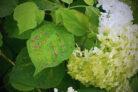
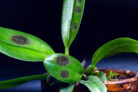
Leaf spot fungus is pretty easy to identify because it does exactly what the name suggests. You’ll see yellowish leaves covered in brown spots. As the fungus progresses, the leaf tissue gets thinner and thinner until the hydrangea finally just drops the leaf. This usually happens when the air is super humid or if your plant is feeling “hangry” because it’s not getting enough nutrients.
How to handle it:
1. Cut away all infected parts and seal them in a trash bag.
2. Be a neat freak: Pick up any fallen leaves from the ground and toss them in the trash, too.
3. Give it some space: Thin out the plant so air can circulate. This helps the leaves dry off faster after it rains.
4. Feed your soil: Make sure your hydrangea is getting the right nutrients for its location.
5. If things look dire, a fungicide can help clear it up.
Dealing with Gray Mold (Botrytis)
If your hydrangea leaves and buds look like they’re covered in a coat of gray fuzz, you’re likely dealing with Gray Mold. This thrives in high humidity. It’s a common problem if you’re overwintering your hydrangeas indoors in a room that doesn’t get much fresh air.
To prevent this, make sure your winter storage area is well-ventilated—just crack a window every now and then to keep the humidity down. If you see it starting, prune off the fuzzy leaves and buds immediately. Again, bag them and toss them in the trash rather than the compost to keep the spores from spreading. For severe cases, a fungicide is your best bet.
Recognizing and Fixing Chlorosis
If your hydrangea leaves are turning yellow at the tips and then browning, but the veins stay green, you might not be looking at a disease at all—it’s likely a nutrient deficiency called Chlorosis. If the older leaves are changing color, the plant is probably craving nitrogen, potassium, or magnesium. If the new growth looks funky, it might be short on zinc or copper. Often, if your soil has too much lime (high pH), the plant can’t “reach” the iron it needs.
The fix here is all about balancing the diet. But before you start dumping fertilizers, you need to know what you’re working with. Grab a pH test kit or a soil analysis kit from a garden shop. Avoid adding too much lime to the area.
If your soil is too alkaline (high pH), you can acidify it by using the right fertilizers, like leaf compost or coffee grounds. Using a specialized hydrangea fertilizer is a great way to ensure your plant gets the exact “vitamin mix” it needs to thrive and stay green!