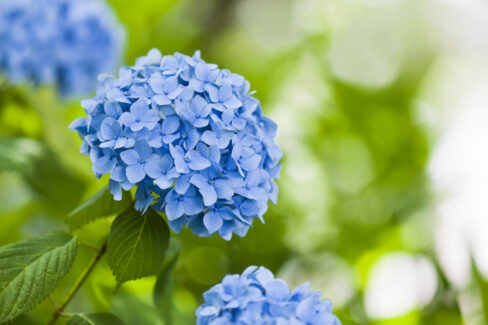
If you’ve picked the perfect spot for your hydrangea, these beauties usually take off all on their own. But if yours seems to be stuck in neutral, a few common care mistakes might be to blame. Let’s dig into what could be holding your plant back and how you can get it growing again.
Is your soil the wrong fit?
The scientific name for hydrangea actually comes from Greek, essentially meaning “water vessel.” That’s a big hint: these plants are thirsty! If they’re stuck in a spot that’s too dry or lacks nutrients, they just won’t thrive. But it’s not just about water—standard garden soil often doesn’t cut it for these shrubs.
Your best bet is to plant your hydrangea in soil specifically formulated for rhododendrons or azaleas. This type of soil is great because it holds onto moisture while still draining well. In the wild, hydrangeas love forest clearings where the ground is full of organic matter like decomposed leaves and needles. You want to mimic that “forest floor” vibe whether they’re in your garden beds or in containers.
Are you using the wrong fertilizer?
Believe it or not, fertilizing your hydrangea the wrong way can actually stunt its growth. These plants crave plenty of nitrogen, potassium, and minerals. On the flip side, fertilizers high in phosphorus can actually be a disadvantage. You also want to be careful not to overdo it—more isn’t always better! Stick to a balanced approach, ideally using a dedicated hydrangea fertilizer.
Here are a few great options for feeding your plants:
- Hydrangea-specific fertilizer
- Rhododendron fertilizer
- Azalea fertilizer
Did the winter frost do some damage?
Generally speaking, hydrangeas are pretty hardy, but a rough winter can still throw them for a loop. Young plants and those in pots are especially vulnerable because they haven’t built up a strong tolerance yet, and container roots don’t have the ground to insulate them. Make sure you’re taking the right steps to winterize your plants. If you notice any dead, frost-damaged branches once spring rolls around, go ahead and prune those off to help the plant focus its energy on new growth.