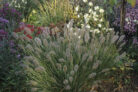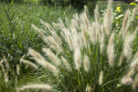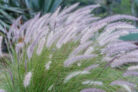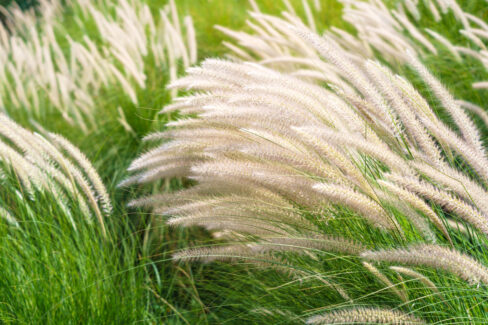
Both the fluffy plumes and the graceful stalks of fountain grass are a total highlight in the winter garden. But since these beauties are known as serious sun-worshippers, a lot of folks wonder: can they actually handle the cold?
Can Fountain Grass Handle Frost?
Generally speaking, fountain grass is pretty tough and is considered hardy in many zones. However, it doesn’t always play nice with extreme, long-lasting deep freezes. When you’re planting yours, I always recommend picking a spot near a wall or the side of your house. This provides a little extra “thermal” protection when the temperatures dip.
One of the best ways fountain grass protects itself is through its own old stalks. Nature is smart—those dried blades act as a natural blanket for the “heart” of the plant, shielding it from frost. Plus, if you cut them back too early, you risk moisture getting into the hollow stems and causing rot. That’s why you should never prune your grass in the fall. Wait until spring to give it a haircut!
Just a heads-up: the fancy Purple Fountain Grass (the red/burgundy variety) is a bit of a diva. Unlike its green cousins, it’s not cold-hardy at all. It needs extra protection or, better yet, should be moved indoors to overwinter in a pot.
How to Overwinter Your Fountain Grass
If your grass isn’t tucked away near a protective wall, you might want to give it a little helping hand. Here are a few pro-tips:
- Add a thick layer of mulch, straw, or evergreen boughs around the base.
- Tie the stalks together in a bundle to protect the center.
- In especially harsh climates, wrap the plant in some garden fleece or burlap.
Potted Plants Need Extra Love
Potted fountain grass is a different story. Because the roots are in a container rather than deep in the ground, they’re much more vulnerable to freezing. You really shouldn’t leave your potted grass outside all winter. Instead, bring it indoors to a cool spot—think “chilly but not freezing.” You don’t want it in your toasty living room; a better bet would be:
- The basement
- A garage
- A cool stairwell
- A pantry or mudroom
While fountain grass usually craves light, it needs much less during its winter nap. It still needs *some* light, though—a small window is usually plenty. Once spring rolls around, don’t just shock it by throwing it back into the sun. Gradually acclimate it by moving it to a brighter spot indoors first, then giving it a few hours of “outdoor time” each day, slowly increasing the duration.
Winter Care Tips
Believe it or not, plants can get just as thirsty in the winter as they do in the summer. You’ll still need to give your fountain grass a drink occasionally. If it’s in the ground, only water on days when the soil isn’t frozen. For indoor pots, just water whenever the soil feels dry. One thing to avoid? Fertilizer. The grass is resting right now, and adding nutrients would just disrupt its natural dormant phase.