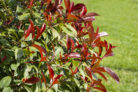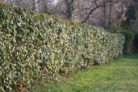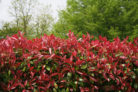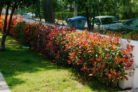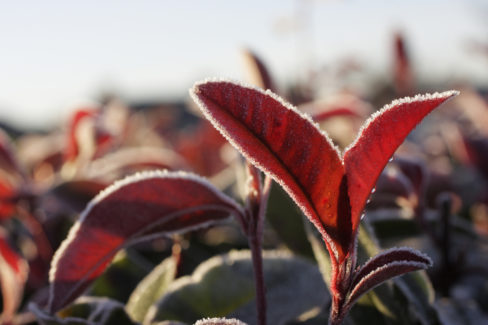
You’ll often see Red Tip Photinias (Glanzmispel) labeled as “hardy” or “frost-tolerant” at the garden center. So, it can be a real bummer when spring rolls around and your plant is looking a little worse for wear. After a long, brutal cold snap, frost damage is actually pretty common for these beauties.
How much cold can a Photinia actually handle?
The truth is, “hardiness” depends on a few different things. Some varieties are only moderately hardy, while others can handle temperatures as low as -4 °F (-20 °C). The shape of your plant matters, too—shrub forms are generally tougher than tree-form standards. One of the biggest threats is actually those icy winter winds. If you can, try to pick a planting spot that’s sheltered from the wind.
What does frost damage look like?
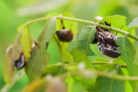
Frost damage can range from just a few brown spots on the leaves to a plant that’s completely frozen through. It all depends on how low the mercury drops and how long the freeze lasts. If the flower buds get zapped by the cold, your Photinia won’t bloom that year.
Keep in mind that it’s not just the cold that hurts your plants in the winter—it’s also thirst! Since Photinias are evergreens, they keep losing moisture through their leaves all winter long. On sunny winter days, that evaporation speeds up. If the ground is frozen and the plant can’t drink, you’ll soon see those dreaded brown leaves. Make sure to water your Photinia occasionally on days when the ground isn’t frozen.
How do I get my Photinia looking healthy again?
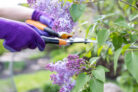
Wait until the worst of winter is over and you’re sure the last frost has passed before you start cleaning things up. Prune away any dry stems, dead leaves, or frozen buds until you hit healthy wood. Don’t be afraid to get in there—Photinias are pretty resilient and can handle a heavy pruning to help them bounce back.
Quick Summary:
- Often only moderately winter-hardy.
- If you have potted Photinias, try to keep them in a frost-free spot over winter.
- Tree-form standards need extra protection from the cold.
- Signs of damage: leaf spots, dried-out foliage, or dead branches.
Pro Tip: To avoid any winter heartbreak, the best way to protect a potted Photinia is to move it to a frost-free area until spring!