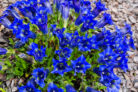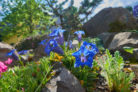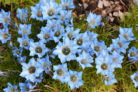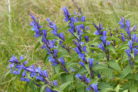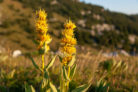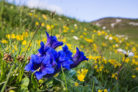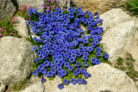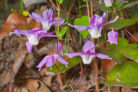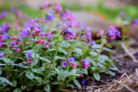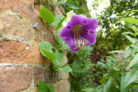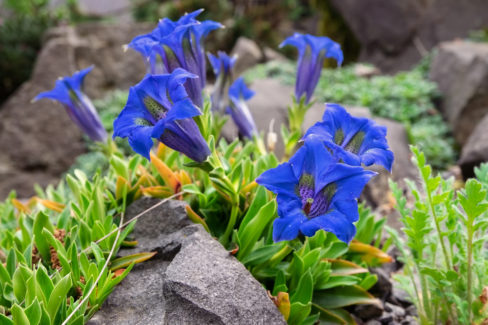
When you think of the Alps, the first thing that probably pops into your head is the iconic Gentian. These stunning plants are famous for their vibrant blues and can be found everywhere from coastal regions to high mountain peaks. In Europe alone, there are about 35 different species.
Now, a quick heads-up: in the wild, Gentians are strictly protected. That means no picking flowers or collecting seeds! But don’t worry—you can easily find nursery-grown varieties at your local garden center to bring that alpine magic to your own backyard.
Finding the Perfect Spot
Since they’re mountain natives, different Gentians have different “happy places.” The low-growing, stemless Blue Gentian loves rocky terrain, while the taller varieties, like the Yellow Gentian, prefer lush wild meadows. To get them to thrive in your garden, you’ll want to mimic their natural home. Blue Gentians are a perfect fit for rock gardens, while the taller types love hanging out near evergreens.
Here are the general rules of thumb for a happy Gentian:
- Light: Aim for full sun to partial shade, but avoid spots with intense, scorching midday sun.
- Soil: It needs to be loose, well-draining, and packed with nutrients.
- Moisture: Keep it “just right”—not bone dry, but definitely not soggy.
- Drainage: This is huge! They hate “wet feet.” If you’re planting fall-blooming varieties, adding drainage is a must.
- pH Balance: This depends on the species. Some (like Clusius’s Gentian) love lime/alkaline soil, while others (like Koch’s Gentian) need acidic soil.
- Protection: If you’re planting the taller varieties, make sure they’re shielded from harsh winds.
Planting Tips
The best time to get your Gentians in the ground is during the spring or fall. Start by loosening the soil and mixing in some compost to give them a nutrient boost. If you have heavy clay soil, mix in some sand to help with aeration.
The biggest killer of Gentians is standing water, which causes root rot. To play it safe, I recommend creating a drainage layer using broken terracotta shards at the bottom of the planting hole before you put the plant in.
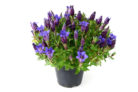
Pro Tip: You can also grow Gentians in pots! Just find a sheltered, semi-shaded spot on your patio or balcony. Just remember to keep them out of direct, baking sunlight.
Maintenance and Care
Once your Gentian is settled in the right spot, it’s actually a pretty low-maintenance guest. Just give it a little extra water during those hot, dry summer stretches.
Even though these plants are hardy enough to survive mountain winters, a little extra protection doesn’t hurt. Cover them with some brushwood or evergreen branches in the winter (Koch’s Gentian actually loves the acidity from fir branches!). When spring rolls around, just clear away any dead bits, and if your plants are getting too crowded, that’s the perfect time to divide them.