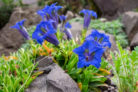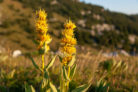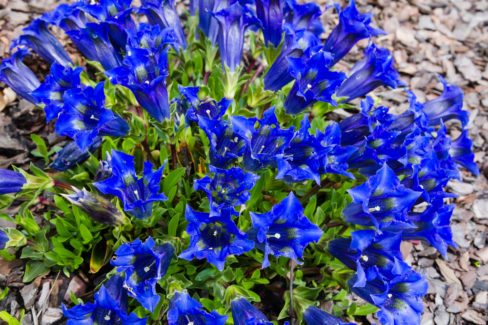
Gentians are famous for being tough high-altitude plants that can handle harsh mountain weather, so they are naturally very winter-hardy. However, when we grow them in our gardens or out on the patio, they do appreciate a little extra TLC to get through the coldest months.
Getting Your Gentian Ready for Winter
To make sure your gentian comes back strong next spring, you’ll want to give it some attention in late fall once it’s finished blooming. Here’s a quick checklist to prep your plants for the big chill:
- Start by clearing away any dead foliage or spent flowers.
- Give the plant a good trim, cutting it back to about four inches above the ground.
- Mix a little compost into the soil around the base; the plant still needs some nutrients even during its dormant phase.
- Apply a layer of mulch around the root zone.
- Cover the plant with some evergreen brush or twigs.
- If you’re growing Stemless Gentian (*Gentiana acaulis*), keep in mind it loves acidic soil, so covering it with pine or fir branches is a great move.
If you have Clusius’ Gentian tucked into a rock garden, you’re in luck—it usually doesn’t need extra protection. The surrounding rocks and neighboring perennials act as a natural windbreak. For Stemless Gentian, planting it near mid-sized shrubs is a smart move, as they provide just the right amount of shelter.
One big “don’t”: Never try to overwinter your gentian indoors! These plants hate the dry, warm air of a house. They’ll drop their leaves quickly and will be very stubborn about blooming the following year.
Winter Maintenance
The main thing to watch out for in the winter is moisture. Even when it’s freezing, dry winter winds can sap the moisture right out of the root ball. Give your plants a drink on dry days, but be careful not to overdo it—gentians hate “wet feet” (standing water), which can cause root rot.
Once the threat of overnight frost has passed in the spring, you can go ahead and remove the winter covering.
Overwintering Potted Gentians
Gentians look amazing in pots or balcony planters, but they do need a bit more protection since their roots are more exposed to the cold. First, move your containers to a sheltered spot, like against a house wall or near a thick hedge. Place the pot on an insulating base—a piece of Styrofoam or a thick wooden board works perfectly. Then, wrap the container itself in bubble wrap or garden fleece. Finally, cover the top of the soil with brush, dry leaves, or wood wool.
Don’t forget to check on your potted plants! They’ll need regular watering throughout the winter. It’s also a good idea to peek in for pests every now and then. Spider mites, in particular, love to move in during the winter months, so if you see any signs of them, treat the plant right away.