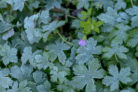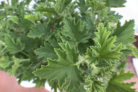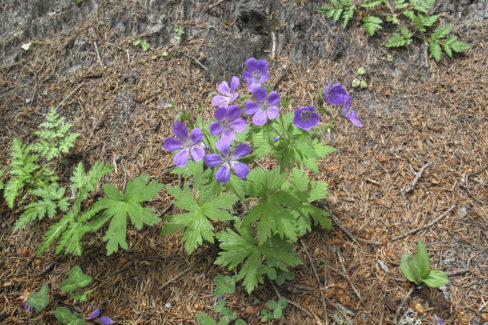
With over 430 species, the Geranium genus—commonly known as Cranesbill—is a massive family of plants. You’ll find them thriving all over the globe, and they’re a staple in many of our backyards. These perennials are famous for their cheerful blooms and their love for those tricky, shady spots where they quickly carpet the ground. But here’s the catch: that same vigorous growth is exactly why some folks consider them a pesky weed.
Flower or Foe?
Cranesbill isn’t picky; it’s happy in almost any soil type, blooms like crazy, and spreads even faster. In a garden bed, we often love it as a lush groundcover. However, when it starts taking over a manicured lawn or a farmer’s field, it quickly loses its “pretty flower” status and becomes an unwanted intruder.
The “Weedy” Cranesbills
Some species grow so aggressively that they’ll crowd out everything else in their path. If you’re spotting these in your yard, you might be dealing with one of the “troublemakers”:
- Small-flowered Crane’s-bill
- Cut-leaved Crane’s-bill
- Herb Robert (also known as Stinky Bob)
- Meadow Crane’s-bill
Small-flowered Crane’s-bill
This is one of the most common types you’ll run into. It stays relatively low—about 12 inches high—and blooms from May all the way through October. The real kicker? As the seeds ripen, the plant can actually “launch” them several feet away, which is why it seems to pop up everywhere at once.
Cut-leaved Crane’s-bill
This one is an annual, but don’t let that fool you—it’s an overachiever. It blooms prolifically and also uses that “seed-slinging” trick to cover a lot of ground. You’ll find it in gardens, fields, and along roadsides. Since it can reach about 2 feet tall, it’s a real headache for farmers because it competes directly with crops like grain.
Herb Robert
Often called “Stinky Bob” because of its pungent scent, this variety blooms from April late into the fall. Because of that long flowering season, it produces a massive amount of seeds. While it’s actually great for colonizing bare, rocky ground (ruderal sites), it’s definitely considered a nuisance on a pristine lawn or agricultural land.
Meadow Crane’s-bill
Even the tall, elegant Meadow Crane’s-bill gets a bad rap as a weed in certain spots. It flowers from June to August and is an expert at self-seeding. A common way it spreads? Through compost! If you toss your grass clippings into the bin after this plant has gone to seed, you’ll likely end up spreading it wherever you use that compost later.
How to Manage Cranesbill
If you didn’t plant it on purpose, watching those vines crawl across your lawn can be pretty frustrating. While farmers often have to take drastic measures, home gardeners have a few ways to keep it in check:
- Dig it out: Use a weeding tool to get the roots out. This works great for gardens, provided you stay on top of it.
- Mow it down: Regular mowing prevents the plant from flowering and setting seed, which eventually exhausts the plant.
- Chemical control: Large-scale farms often turn to herbicides, though this is a bit controversial since chemical residues can linger in the soil or crops.