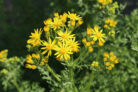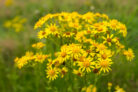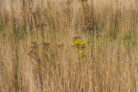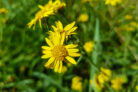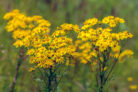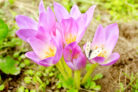
Nobody goes out looking for Tansy Ragwort on purpose—it’s a well-known toxic weed. However, it has three “look-alikes” that are actually edible or medicinal, making them pretty popular for foragers. If you’re planning to harvest these three in the wild or even in your own backyard, you’ve got to be super careful not to accidentally grab some Ragwort instead.
The Mix-up: Tansy Ragwort vs. St. John’s Wort
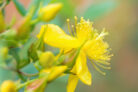
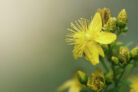
Both of these wild herbs are common sights in the countryside. While many gardeners intentionally plant St. John’s Wort for its healing properties, Tansy Ragwort tends to show up as an uninvited guest. Since they both bloom from late June through August with clusters of bright yellow flowers on branched stems, it’s easy to see why people get them confused. Luckily, there are a few key ways to tell them apart:
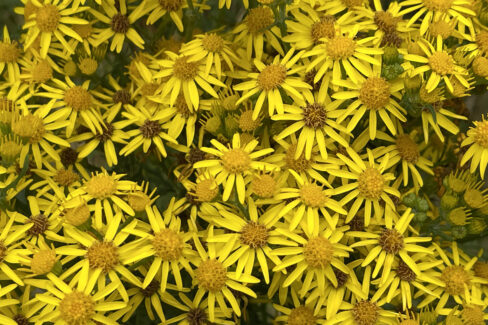
- Tansy Ragwort flowers look like tiny yellow daisies.
- The number of petals on Ragwort varies (but it’s always more than five).
- St. John’s Wort grows in “cymes” (flat-topped clusters).
- A St. John’s Wort flower always has exactly five petals.
Pro Tip:
Crush a few petals between your fingers. If your skin turns a reddish-purple color, you’ve found St. John’s Wort! Don’t worry—briefly touching Tansy Ragwort isn’t dangerous to your skin.
Tansy Ragwort vs. Meadow Hawksbeard
Tansy Ragwort (sometimes just called Ragwort) also bears a striking resemblance to Meadow Hawksbeard. Both belong to the aster family, but unlike the toxic Ragwort, Hawksbeard is edible. If you look at photos of the flowers side-by-side, the differences become clearer. While they share that sunny yellow color, a Hawksbeard bloom looks a lot more like a dandelion. Also, check the stems and leaves: the toxic Ragwort has deeply lobed leaves and a stem with a purple tint, while the edible Hawksbeard has a solid green stem and less jagged leaves.
Is That Really Arugula?
In its first year, Tansy Ragwort grows as a rosette of leaves on the ground. These narrow, lobed leaves look surprisingly like Arugula (Rocket). Since Arugula doesn’t usually grow wild in the States, the risk of a mix-up mostly happens in your own garden if a stray Ragwort seed hitches a ride in your veggie patch. Here’s what to look for:
- Arugula has smooth, soft leaves.
- If you rub an Arugula leaf, it gives off that signature peppery, nutty scent.
- Tansy Ragwort has tougher, slightly hairy leaves.
- The texture is more similar to a thistle than a salad green.
Tansy Ragwort Poisoning
The scary thing about Tansy Ragwort is that it’s a “slow” poison. Liver damage might not show up for months or even years after ingestion. In humans, eating it can cause stomach and intestinal issues, but because the symptoms are delayed, people often don’t realize the plant was the culprit. This is why it’s so important to be mindful and well-informed when foraging. When in doubt, always use a high-quality field guide or photo reference.
Quick Note:
If you’ve spotted Tansy Ragwort on your property, you’ll want to get rid of it immediately. It spreads incredibly fast via wind-blown seeds!