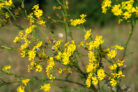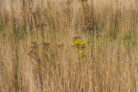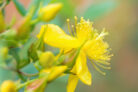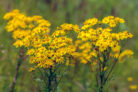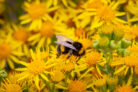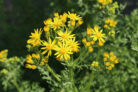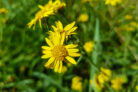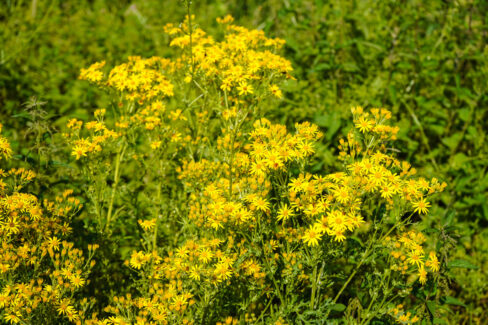
Tansy Ragwort is a plant that absolutely loves agricultural land. Back in the day, it was actually included in seed mixes to quickly green up roadsides, fallow fields, and railway tracks. However, with our changing climate, this weed—also known as St. James’ Wort—is spreading faster than ever. And here’s the kicker: it’s highly toxic to both humans and animals.
The Danger of Tansy Ragwort
Tansy Ragwort contains potent toxins called pyrrolizidine alkaloids. These toxins are particularly nasty because they accumulate in the liver over time. If livestock graze on this plant regularly, the toxicity leads to a slow, painful death. Even worse, these substances can find their way into our own food chain through honey and milk. In fact, many medical professionals suspect that the rise in liver diseases may be linked to the spread of this plant.
The Legal Situation
In countries like Austria, Ireland, and Switzerland, landowners are legally required to report Tansy Ragwort. Here in Germany, however, there is currently no such reporting mandate. While many livestock owners are fighting hard for stricter regulations, the federal government has been slow to act. Because the plant is so dangerous, landowners are encouraged to control it, yet the government also protects it in certain areas because it’s considered a native species.
The good news? German seed manufacturers have stepped up and now only sell seed mixes that are 100% free of Tansy Ragwort. In the past, some mixes contained up to four percent of these seeds!
How to Get Rid of Tansy Ragwort
If you spot this unwelcome guest on your property, here’s how to handle it:
- Dig it out: Use a spade to remove individual plants, making sure to get the entire root system so it doesn’t grow back.
- Mow early: Keep your pastures mowed to prevent the plants from flowering and spreading seeds.
- Manage your grazing: Avoid overgrazing, as bare patches of soil give the weed a perfect place to take root.
- Chemical control: If you have a major infestation, consider a targeted herbicide once the leaf rosettes reach about 6 inches in height.
- Overseed: Regularly sow fresh grass seed to maintain a thick, healthy turf that crowds out weeds.
A quick safety tip: Always wear gloves when handling Tansy Ragwort! The toxins can actually be absorbed through your skin and damage your liver over time. Once you’ve pulled it, you can safely dispose of it in your organic waste bin. Professional composting and biogas plants reach high enough temperatures to completely destroy the plant parts and seeds.