Grapevines usually hit their peak bloom between May and June. If everything goes according to plan, those pollinated flowers turn into the delicious grapes we all look forward to harvesting in the fall. However, gardening isn’t always smooth sailing—a phenomenon called “shatter” (or *coulure*) can seriously skim down your harvest.
The Lowdown on Grapevine Blossoms
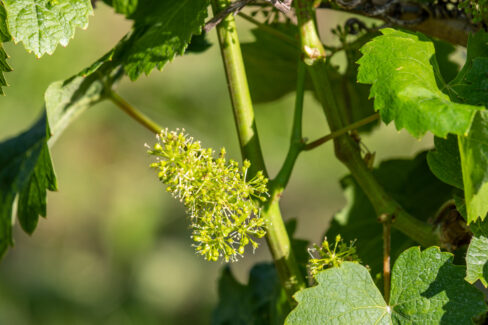
If your vines are happy with their spot and getting the right care, you’ll start seeing flowers about 45 to 90 days after the first buds break in spring. From mid-May through late June, the vine puts on a show that’s actually pretty easy to miss if you aren’t looking closely. The tiny flowers are tucked inside a little brown cap called a calyptra. Once that cap pops off, the stamens and pistils are ready for action.
From Flowers to Fruit
Once the flowers are out, the magic happens and they start developing into grapes. Usually, you can expect about 60% of those blossoms to actually turn into fruit. But there’s a catch: they have to be pollinated first. Luckily, most common grape varieties are hermaphroditic (self-pollinating), so they do most of the heavy lifting themselves. Any flowers that don’t get pollinated will simply wither and drop off on their own.
What is “Shatter” or Coulure?
When we talk about “shatter” or *verrieselung*, we’re talking about a situation where very few flowers actually get fertilized. The result? A much smaller harvest, or in really bad years, no grapes at all. Essentially, the vine decides to drop the majority of its blossoms before they ever have a chance to grow into fruit.
Common Causes of Shatter
So, why does this happen? There are a few usual suspects:
- Temperatures consistently dipping below 60°F (15°C).
- On the flip side, long heatwaves where it stays above 86°F (30°C).
- Heavy, persistent rain during the blooming phase.
- Messing up the nutrient balance (too much or too little fertilizer).
- Pruning your vines the wrong way.
- Using an incompatible rootstock during grafting.
How to Prevent Shatter
To be honest, there’s no 100% foolproof way to prevent shatter, but you can definitely stack the deck in your favor. Choosing a resistant rootstock when grafting is a great start. Beyond that, just make sure your vines are in the right location and getting consistent care.
It’s also worth noting that some varieties are just naturally more “dramatic” and prone to shatter than others. Varieties like Gewürztraminer, Malbec, and Merlot are known for this. If you want a lower-maintenance experience, you might want to pick a hardier variety to keep your harvest plentiful!