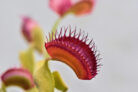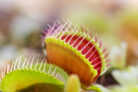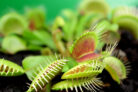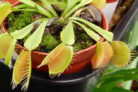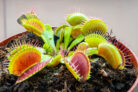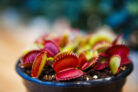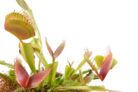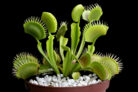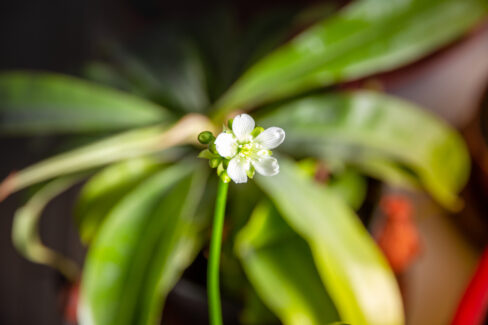
Most gardeners fall in love with the Venus Flytrap because of those iconic, snapping traps. But did you know this famous carnivore also produces surprisingly delicate and pretty flowers?
The Venus Flytrap Blooms in Spring
It’s a fun surprise for many plant parents when their flytrap starts budding in the spring. Here’s a quick look at what to expect when your Venus Flytrap blooms:
- Small, white-and-green flowers
- Blooming season runs from April/May through June/July
- Flowers are about 1 inch (3 cm) in diameter
- Individual blooms sit atop long stalks that reach 12 to 20 inches (30 to 50 cm) high
- They feature a five-petal structure with five sepals
- The petals often have beautiful, fine green veins
Keep in mind that a Venus Flytrap usually won’t flower until its third or fourth year. Once it does, seeing those dainty blossoms is a real treat! If you want to grow more plants, you can use this time to collect seeds—just remember you’ll likely need to help things along with some hand-pollination.
Eye-Catching Blooms During the Season
One of the most striking things about these flowers is how far they tower above the traps. There’s a clever reason for those long stalks: it keeps visiting pollinators (like bees) far away from the “death zone” of the traps below! Since these hermaphroditic flowers aren’t always great at self-pollinating, I recommend grabbing a small paintbrush to move pollen between blooms yourself. If you’re successful, you’ll have seeds ready to harvest by summer.
The blooming window starts in late spring and can stretch into July. Once the flowers fade, seed pods will begin to form. Inside, you’ll find plenty of tiny, shiny black seeds.
How to Harvest Seeds
To harvest your seeds, simply hold a plate or a small bowl under the dried pods and give them a gentle shake. The seeds should fall right out. For storage, keep them in a light-proof paper envelope in the crisper drawer of your fridge. When spring rolls around again, you can sow them (just remember, they need light to germinate, so don’t bury them too deep!).
Pro tip: If you aren’t interested in growing new plants from seed, it’s actually a good idea to cut the flower stalks off. Flowering takes a ton of energy, and removing the stalks allows the plant to focus all its strength on growing bigger, healthier traps instead.