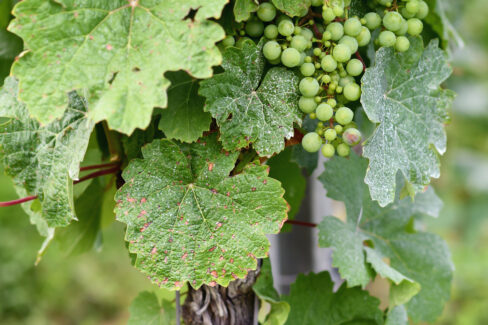
Growing your own grapes is incredibly rewarding, but let’s be real—pests aren’t the only things trying to ruin your harvest. There are two major diseases that love to crash the party in the vineyard. Here’s the lowdown on what they are and how you can fight back.
The Most Common Grapevine Diseases
While there’s a whole list of things that can go wrong, most backyard gardeners will find themselves facing off against these two usual suspects:
- Gray Mold (Botrytis)
- Mildew
Dealing with Gray Mold
Gray mold is a fungal infection that absolutely thrives when the weather gets warm and humid. The most obvious sign is a fuzzy, gray fungal coating on the leaves and shoots. If it spreads, your grapes will start to shrivel up and drop off before you ever get a chance to taste them.
If you spot it, act fast! Prune away all the infected parts of the plant immediately. To help the vine recover, use a nitrogen-rich fertilizer. Some gardeners also swear by dusting the shoots and leaves with rock flour (silica dust) to help strengthen the plant. Pro tip: Never put infected clippings in your compost pile! Toss them in the regular trash so the spores don’t spread to the rest of your garden.
Battling Mildew
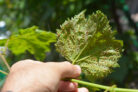
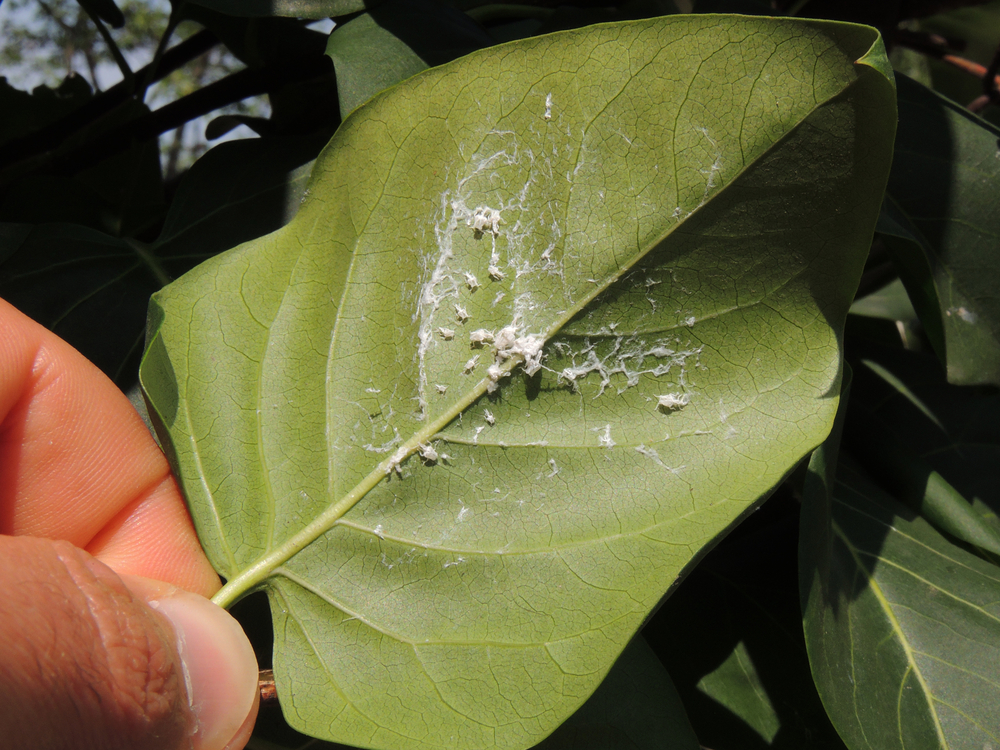
Whether it’s Downy or Powdery Mildew, it usually starts as a greasy-looking film on the undersides of the leaves, eventually turning into a white, powdery coating. In the later stages, the grapes themselves get hit, turning a bluish-gray color before falling off the vine.
Since you’re likely planning on eating those grapes, I always recommend sticking to organic methods first. Prevention is key: when you’re planting your vines, make sure they have plenty of space for airflow.
At the first sign of trouble, grab a spray bottle. You can make a simple DIY solution by mixing about a quart of water with a tablespoon of liquid castile soap (or dish soap) and a splash of rubbing alcohol. Spray the affected areas regularly. You can also let nature do the work—ladybugs and parasitic wasps love to snack on fungal spores, making them great natural allies for your garden.
A Note on Fungicides
If you’re thinking about reaching for a commercial fungicide to deal with diseases or pests, do your homework first. The use of chemical fungicides is often strictly regulated, especially for home gardens. Always check your local guidelines and the official pesticide databases to see what’s safe and legal to use in your area.