If you’ve ever struggled with pests or diseases in your vineyard, grafting might be the game-changer you’re looking for. While professional vineyards are actually required to use grafted vines, there’s no reason us home gardeners can’t get in on the action, too!
The Perks of Grafting
Grafting your grapevines offers some major benefits, whether you’re running a commercial operation or just tending a few vines in the backyard. Standard grapevines can be pretty sensitive to pests and diseases. However, grafted varieties bring some serious superpowers to the table:
- High resistance to pests, especially the dreaded phylloxera (grape root louse).
- Better resilience against common diseases, particularly powdery mildew.
When is the Best Time to Graft?
Timing is everything! The sweet spot for grafting is usually between late May and late June. You’ll know the time is right when the water sprouts have reached a length of about 50 inches (130 centimeters).
The “Green-on-Wood” Grafting Method
One of the most effective techniques is the “green-on-wood” method, where you join two different plant parts together through grafting. Here’s a simple step-by-step guide to get it done:
- Trim your chosen water sprout back to the fourth leaf.
- On your scion (the “noble” variety you want to grow), make a straight, clean cut at a 20-degree angle just below a bud.
- Do the exact same thing on the opposite side to create a wedge shape.
- Now, take your rootstock and make a vertical slit right down the center of the stem, deep enough for your scion wedge to fit snugly inside.
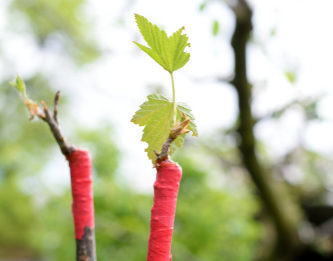
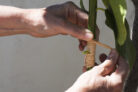
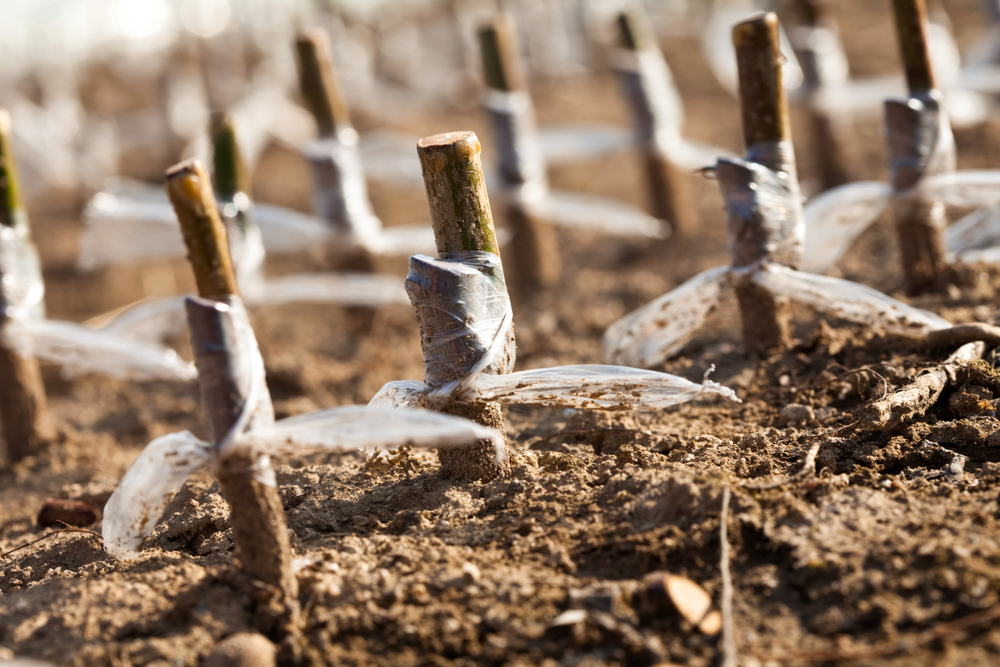
- Slide the two pieces together and wrap the joint tightly with some grafting tape or electrical tape.
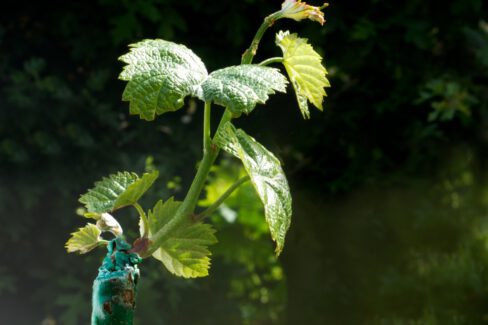
- If all goes well, you should see new growth from the graft within a few weeks.
- Be sure to consistently pinch off any “wild” shoots that sprout from the rootstock so all the energy goes to your new graft.
Caring for Your Grafted Vines
Once your vine starts taking off, make sure to give those new shoots a sturdy trellis or support to climb. Keep up with regular watering and a consistent fertilizing schedule. Come February, you’ll want to do your standard pruning. If you’re patient, you can usually expect to see the first blossoms about a year after grafting!
A Top-Tier Hybrid for Grafting
If you’re looking for the perfect rootstock for a home garden, I highly recommend the “Selection Oppenheim 4” (SO4) hybrid. It’s a fantastic “all-rounder” because it bonds well with almost all popular grape varieties and develops a very strong, stable root system. Plus, it’s famous for being resistant to phylloxera and highly resilient against mildew—making your gardening life a whole lot easier.