When it comes to fall grave plantings, most of us look for a design that stays beautiful and respectful well past the first frost. Choosing the right plants can turn a memorial site into a peaceful, living tribute. I’ve put together a list of the seven most popular fall plants for cemetery gardening, plus a little “insider tip” that I personally love.
[[pflanzen]]
++Heather (Erica)
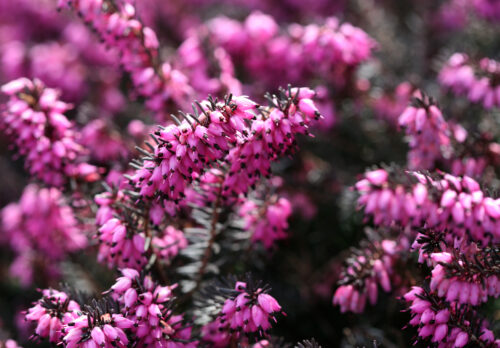
Blooming heather is a symbol of endurance, radiating a sense of peace and warmth. Varieties like Scotch heather, Winter heath, and English heather are particularly great choices because they are frost-hardy and keep their color deep into the winter. You can find this favorite in shades ranging from crisp white to soft pink and deep red. Heather is incredibly versatile—you can use it in decorative planters, arrange it in geometric patterns, or tuck it into a more natural, wildflower-style layout.
++Autumn Gentian (Gentiana scabra)
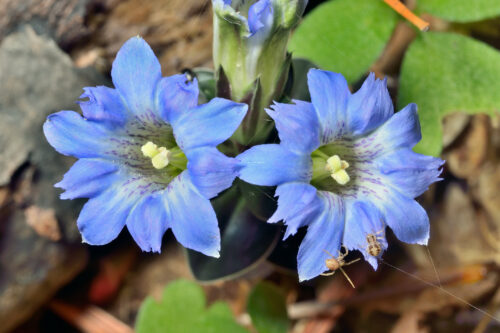
If you want a pop of late-season color, Autumn Gentian is your best friend. From September through November, it shows off large, intensely blue flowers that really stand out. This perennial symbolizes loyalty and is hardy down to minus four degrees Fahrenheit. It only grows about four to six inches tall but is surprisingly tough. It makes an excellent groundcover, eventually forming a dense carpet of lush green leaves.
++Asters (Aster)
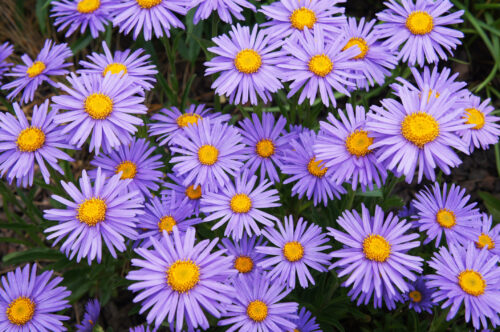
Among the many different types of asters, there are several dwarf varieties that grow just a few inches high, making them perfect for smaller fall arrangements. They start opening their star-shaped blooms in August and keep producing new buds through November. With a color palette ranging from white and pink to lavender, violet, and purple-red, you can easily find an aster that fits perfectly with your existing design.
++Coral Bells (Heuchera Cultivars)
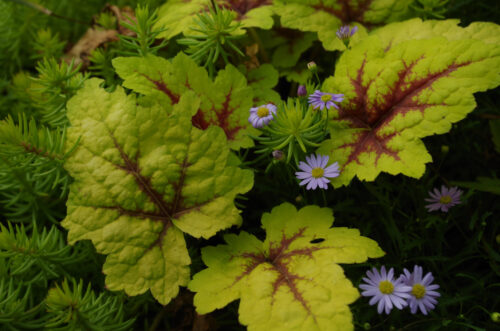
The real star of this perennial isn’t actually its tiny bell-shaped flowers, but its stunning foliage. Coral Bells are prized as grave plants because they are semi-evergreen and come in an incredible array of colors—think bright lime green, fiery orange, deep burgundy, silver-violet, and even chocolate brown. Coral Bells prefer spots with indirect light, which makes them a fantastic choice for shaded areas.
++Dusty Miller (Senecio cineraria)
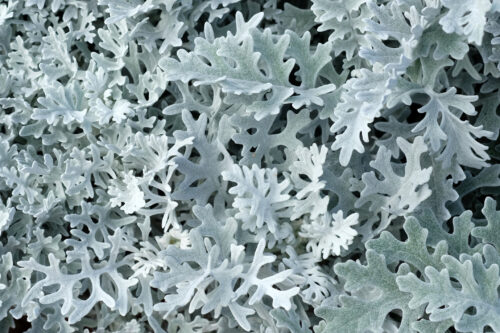
With its silvery-green, feathery leaves, Dusty Miller provides a beautiful contrast to more traditional green or flowering plants. While it isn’t fully winter-hardy in colder climates, it’s a staple for fall displays. It usually grows to about a foot tall and works wonders as a “filler” plant, helping to soften harsh color contrasts and bring a sophisticated look to the arrangement.
++Cyclamen (Cyclamen persicum)
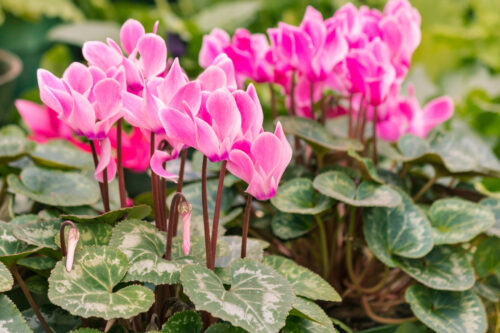
Cyclamen are surprisingly tough and can handle light frosts without a problem, making them ideal for fall. These cheerful bloomers handle wet weather beautifully and are generally very low-maintenance. Some of the newer varieties even have a lovely, light fragrance that adds a calm and pleasant atmosphere to the site.
++Pansies (Viola wittrockiana)
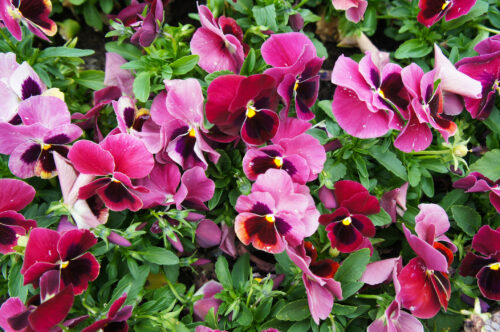
The pansy is a classic symbol of loving remembrance. In the fall, these hardy little flowers put on one last big show. They are incredibly easy to care for and look just as good tucked into a groundcover as they do in a seasonal decorative bowl.
%%Cushion Bush, Wire Net Bush (Calocephalus brownii)
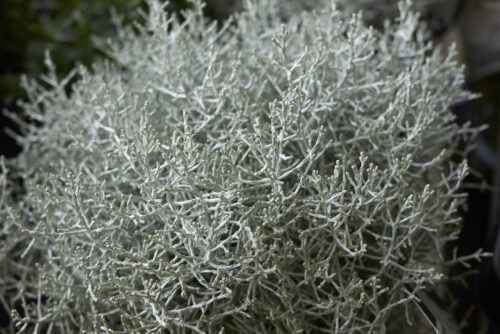
Here’s my secret tip: the Cushion Bush (often called the “Silver Wire” plant). Its zigzagging, tangled branches grow in a wild, architectural way that is a total eye-catcher. The striking silver color adds a modern, elegant touch to any fall arrangement. While it isn’t frost-hardy, it actually keeps its shape and color all winter long—it looks especially magical when covered in a layer of morning frost. Growing about eight inches tall, it pairs beautifully with the bright colors of pansies or heather.