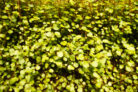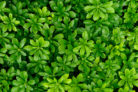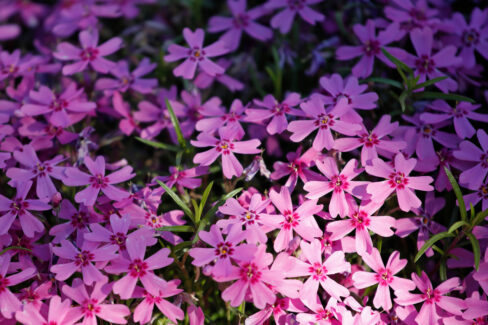
As the name suggests, a ground cover is a plant that blankets an area completely, staying lush for years with very little effort on your part. If you’re looking for a colorful, low-maintenance option, certain varieties of Phlox are absolutely perfect for the job.
Which Phlox varieties work best as ground cover?
To get that beautiful carpet effect, you’ll want to stick with low-growing varieties of Phlox (often called “moss phlox” or “creeping phlox”). Here are the top contenders:
- Woodland Phlox (Wander-Phlox)
- Moss Phlox (Teppich-Phlox)
- Creeping Phlox (Polster-Phlox)
All three of these varieties typically bloom from May to June. If Mother Nature is feeling generous and the spring weather is mild, you might even see those first flowers popping up in April!
How do you establish Phlox as a ground cover?
The easiest way to start is by dividing an existing Phlox plant at the root and spreading the sections across your desired area. Because the stems naturally root wherever they touch the soil—and the plant is a pro at self-seeding with its own seeds—it won’t take long for those gaps to fill in. The best time to divide your plants is right after they finish blooming, though early spring works too.
You can also start your ground cover using cuttings. For the fastest results, plant several cuttings together in small bunches to encourage dense growth right away. Snip your cuttings in the spring before the blooming starts. Aim for about 4 inches (10 cm) in length and make sure to strip off the bottom leaves before tucking them into the dirt.
How do you care for Phlox ground cover?
If you’ve picked a great spot with well-draining soil, Phlox is incredibly low-maintenance. If your soil is a bit heavy, you can loosen it up with some coarse sand or fine gravel before planting. Give your Phlox a little boost once a year by fertilizing with compost. As for watering, you really only need to step in during long dry spells.
While your Phlox ground cover doesn’t need a strict haircut schedule, it’s a good idea to clear out any withered or dried-up bits as needed. An occasional “rejuvenation prune” in the spring will keep the plants vigorous and ensure that carpet stays nice and thick!