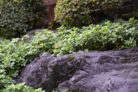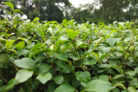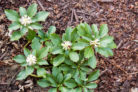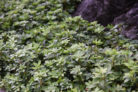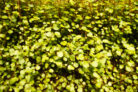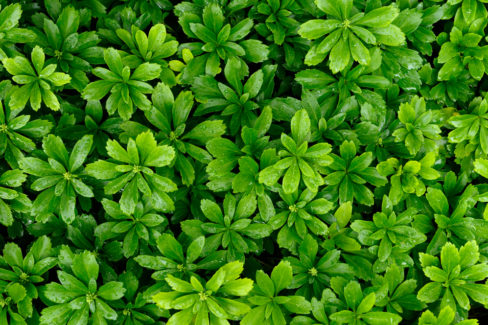
If you’ve got some awkward empty spaces between your taller perennials, groundcovers are your best friend. They’re tough, low-maintenance, and come in so many varieties. One of my personal favorites for a lush, green carpet is the Japanese Spurge. This evergreen subshrub stays low to the ground—usually around 8 inches tall—and once it finds its “happy place” in your garden, it fills in beautifully.
Quick Facts About Japanese Spurge
You might know this plant by its common names, “Japanese Spurge” or “Pachysandra,” but its botanical name is Pachysandra terminalis. These plants are actually part of the boxwood family and originally hail from China and Japan.
Growth Habit
This evergreen shrub is known for its upright or creeping stems. It grows into a thick, dense mat thanks to its underground rhizomes. These rhizomes act as energy storage and help the plant spread out, sending up plenty of new shoots through the soil to fill in any gaps.
The Foliage
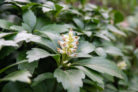
The leaves are lance-shaped and get to be about 2 to 4 inches long. They grow in little clusters at the ends of short, slightly woody stems. The leaf blades are thick and have a leathery feel to them—this is actually where the plant stores its water. The best part? They stay green all winter long. Just a heads-up: if they get too much direct sun, those pretty green leaves will start to turn a sickly yellow.
Flowers and Fruit
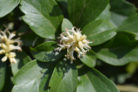
Japanese Spurge produces “unisexual” flowers, meaning both male and female flowers live close together on the same 1-to-2-inch spike at the end of a stem.
You can spot the male flowers by:
- Their four petals (tepals)
- Their white to greenish tint
- Four thick, prominent stamens
The female flowers are identified by:
- Four to six petals and an ovary
- A light green color
- An ovary with multiple styles
After blooming, the plant produces subtle little white stone fruits, each containing two or three black seeds.
The Perfect Spot
Pachysandra loves the shade or partial shade. If the spot is too sunny, the leaves will bleach out. It’s also a total champ when it comes to urban environments—it handles city pollution and “rough” air without breaking a sweat.
Soil and Planting Tips
Pachysandra terminalis thrives in loose soil that’s rich in organic matter (humus) and stays consistently moist. It prefers soil that isn’t too alkaline; aim for a pH between 6.5 and 7.5.
You can actually plant Japanese Spurge year-round, as long as the ground isn’t frozen. If you want that full, “carpet” look quickly, I recommend planting about seven to twelve plants per square yard. Space them about 8 inches apart to give the young plants enough room to spread their wings (and roots!).