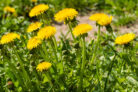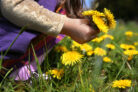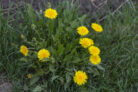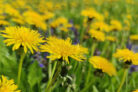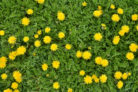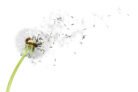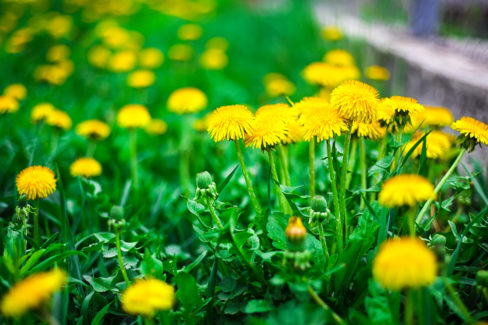
While some gardeners see dandelions as a pesky weed to be fought at all costs, others are actually starting to embrace them! Beekeepers, for instance, love a healthy patch of dandelions because they provide a massive boost of pollen and nectar for bees early in the season when not much else is blooming.
The Best Spot for Your Dandelions
Since these yellow beauties are famously low-maintenance, they aren’t too picky about where they live. However, they really thrive and develop the strongest roots in a sunny spot. Don’t worry if you have a bit of shade, though—they’ll still spread quickly and easily in partial shade.
If you’re planning to grow dandelions in a container for your balcony or patio, make sure to choose a deep pot. These plants grow one or two long taproots that need plenty of vertical space to stretch out.
The Ideal Soil for Dandelions
Dandelions are just as easy-going when it comes to soil. In theory, once they take hold, they’ll grow just about anywhere. But if you want to give them the “VIP treatment,” the perfect substrate should be:
- Moist
- Well-draining
- Rich in organic matter (humus)
- Well-aerated
- Nutrient-dense
- Deep
- Slightly alkaline (lime-rich)
Tips for Sowing Dandelion Seeds
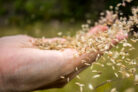
The sweet spot for sowing dandelion seeds is between early March and late May. This gives the young plants plenty of time to establish their roots and grow rapidly throughout the summer. If you miss the spring window, you can also sow the seeds outdoors in August or September.
Keep these tips in mind when planting your seeds:
- If you’re starting them indoors, do it in the spring.
- Using seeds from your own harvest usually works best.
- Plant the seeds about half an inch to an inch deep (1-2 cm).
- Keep the seedlings consistently moist.
- Aim for a germination temperature between 65° and 72° F (18°-22° C).
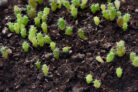
- Expect sprouts in about two to three weeks.
- Thin the seedlings out so they are about 12 inches (30 cm) apart.
When Do Dandelions Bloom?
Dandelions usually start showing off those iconic yellow petals as early as April. If it’s a particularly dry spring, they might even bloom a bit earlier. Plus, you’ll often get a second flush of flowers in late summer that can last all the way into October!