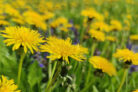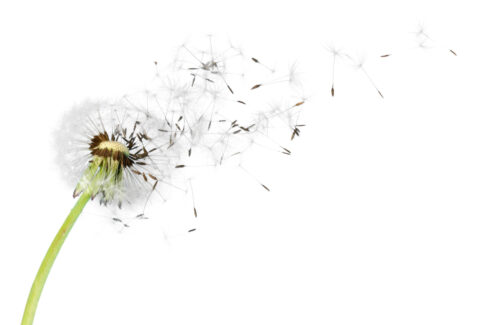
Once those bright yellow dandelion petals start to drop and the green bracts close up tight, you know the magic is about to happen. After a little time passes, those bracts open back up to reveal the iconic “puffball” we all grew up blowing into the wind. But there’s a lot more to these little flying seeds than just making wishes! Here is everything you need to know about dandelion seeds:
Dandelion Seeds: Catching a Ride on the Breeze
If you take a close look at a dandelion seed head, it’s pretty amazing to see how efficient they are at reproducing. A single plant can produce up to 5,000 seeds in a single year!
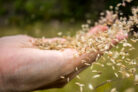
If a dandelion gets the chance to bloom multiple times in a season, that number skyrockets, allowing it to spread like wildfire. While kids or passing animals might knock the seeds loose, the wind does most of the heavy lifting. Those tiny “parachutes” catch the air and carry the seeds high into the sky to find a new home.
By the way, a single dandelion seed can travel over 300 feet (100 meters) on a good gust! This is exactly why dandelions can pop up in so many different spots across your yard.
Why Pulling Dandelions During Seed Ripening is a Bad Idea
We all know dandelions are tough to get rid of. They’re incredibly resilient thanks to their clever survival strategies and that famously long taproot.
While the taproot anchors the plant deep in the soil, the seeds ensure the next generation survives. If you try to pull or mow dandelions once the seed heads have formed, you’ll likely just help them spread by launching those little puffballs into the air. To make matters even tougher, these seeds can stay viable in the soil for up to 10 years!
What Does a Dandelion Seed Actually Look Like?
Technically, the “fruit” of a dandelion is called an achene. Inside that protective casing is a single seed, perfectly designed for survival. The seeds are pointed at the ends, which helps them “drill” into the soil and stay put once they land.
Here are a few other characteristics of dandelion seeds:
- Color: Brown to blackish-brown
- Shape: Long and very narrow
- Attachment: Connected to a fine white stalk topped with a feathery “parachute” for wind travel
How to Intentionally Plant Dandelion Seeds
If you’re looking to grow dandelions on purpose (they are great for pollinators and salads, after all!), here’s how to get the best results:
- Start indoors or in a cold frame starting in March.
- Sow directly outdoors from mid-April through September.
- Plant seeds about 3/4 inch (2 cm) deep.
- Keep the soil consistently moist.
- Ideal soil temperature for germination: 60°F to 65°F (15-18°C).
- Germination time: 21 to 25 days.
- Thin the plants to about 12 inches (30 cm) apart once they’re established.
When Do Dandelion Seeds Ripen?
Dandelions are overachievers and can bloom several times throughout the year, which means they have a very long window for seed production. The first flowers usually pop up in early April, with the first round of seeds ripening by May. Other varieties might not bloom until August, meaning you’ll see seeds dropping well into September.