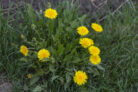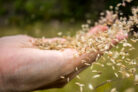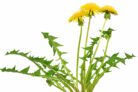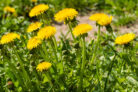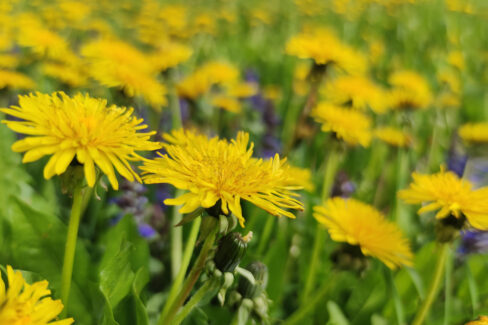
For many homeowners, seeing those bright yellow dandelions popping up in a perfectly manicured lawn is enough to cause a minor meltdown. Between that stubborn, deep taproot and those fluffy “wish” seeds that scatter in the wind, this wild plant can feel like an unbeatable rival. But whether you’re trying to grow it for its health benefits or just trying to get a handle on your yard, understanding how it spreads is key. Here’s the lowdown on how dandelions multiply.
Growing Dandelions from Seed
If you’re actually looking to cultivate this healthy medicinal herb on purpose, starting from seeds is your best bet. Sowing those tiny black seeds is super straightforward—just keep these tips in mind:
- Indoor starting (optional): Mid-March
- Direct sowing: Starting in April
- Planting depth: About half an inch to an inch deep
- Soil: Keep it consistently moist
- Germination time: Roughly 2 to 4 weeks
- Ideal temp: Between 60°F and 70°F
Once those little seedlings show their first leaves, make sure to keep them well-watered for the first few weeks. After about eight weeks, you can thin them out or transplant them into your garden beds.
The “Self-Sowing” Superpower
In most cases, you don’t even have to lift a finger to get dandelions to grow. If you have even one plant in your yard, it’ll take care of the rest. Thanks to multiple blooming cycles throughout the season, a single plant can produce up to 5,000 seeds a year. Talk about an overachiever!
Propagating via the Taproot
Did you know you can actually grow a new dandelion from just a piece of the root? It’s true! All you need is the long taproot (or even just a section of it). First, dig the root up and cut it into pieces about 2 inches long.
Plant these root cuttings about an inch deep in the soil. If you keep the dirt moist, you’ll see new leaves sprouting from the root ends in no time. This is a bit of an unconventional method, but it works great in deep pots, containers, or directly in the ground.
How to Slow Down the Spread
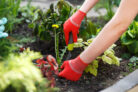
If you’re on the “less is more” team when it comes to dandelions in your garden, the trick is to stop them before they go to seed. You’ll want to snip off the flower heads as soon as they appear. A lawnmower works for big areas, but a sharp pair of garden shears is perfect for spot-checking. Pro tip: If you have sensitive skin, wear gloves! The milky sap can sometimes cause a bit of an itchy rash.