Since orchids are easily the most popular houseplants around and seem to pop up on almost every windowsill, I get asked all the time: “Can I actually grow and propagate orchids myself?” The short answer is a big “Yes!” However, if you want to be successful in your orchid-growing journey, there are a few pro tips and quirks you’ll want to keep in mind.
Propagating Your Own Orchids
If you’re looking to take your existing exotic beauties and multiply them, you’ve got a few different paths you can take. The most common (and most successful) methods are:
All of these are “vegetative” methods, which is just a fancy way of saying asexual reproduction. This means the young plants will be genetic clones of the mother plant—so you can count on the flower colors and shapes being exactly the same.
Growing Orchids from Offshoots
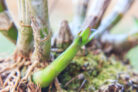
Some orchid species—including the fan-favorite Phalaenopsis (Moth Orchid)—love to produce little babies. In the orchid world, we call these “keikis” (the Hawaiian word for baby). These little guys pop up either directly on the bulb or along the flower spike where you’d normally expect a bud.
Once your little keiki has grown a few of its own aerial roots and at least two or three green leaves, you can carefully snip it off and move it into its own pot. Or, if you want a really unique look, you can just leave it attached to the mother plant and let them grow together!
Propagating via Cuttings
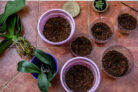
Another way to get more orchids is by using stem cuttings. You’ll want a stem that isn’t currently flowering and is at least 15 inches (40 cm) long. Use a sterilized knife to make a clean cut and place it into a prepared pot.
Until you see new growth, keep your cuttings in a warm, bright spot with plenty of humidity. A pro tip: place a clear plastic bag over the pot to create a mini-greenhouse, but make sure to lift it daily for some fresh air so you don’t run into mold issues.
Propagating by Division
Certain types of orchids are super easy to divide. You essentially split the plant into smaller individual sections, which can then be potted up on their own to grow into full-sized plants.
Growing Orchids from Seed
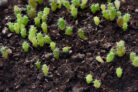
Then there’s the “generative” method: sowing orchid seeds. I’ll be honest with you—this one is a bit of a challenge. Unlike most garden seeds, orchid seeds don’t carry their own food supply. In nature, they rely on a symbiotic relationship with a specific fungus to germinate. To do this at home, you’ll need a special nutrient solution or agar which you can find at specialty shops.
The cool thing about seeds is that you can end up with brand-new varieties, as the flower colors and shapes are left up to nature’s roll of the dice. Just pack your patience! Orchids grown from seed have a very long “childhood.” It can take anywhere from 5 to 15 years before a seedling finally shows off its first bloom.