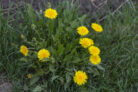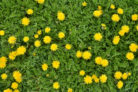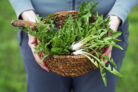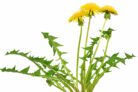
For many gardeners, a yard full of dandelions is just a stubborn weed problem. But if you ask me, those little yellow bursts of color are a hidden treasure! More and more folks are discovering that this wild plant is actually a nutritional powerhouse. It’s packed with vitamins and minerals and can do wonders for detoxing your body. In this guide, I’ll show you exactly how to put this “weed” to work in your kitchen and your medicine cabinet.
Which parts can you actually use?
The short answer? Pretty much the whole thing! However, most people focus on the bright yellow blossoms and the tender young leaves. If you’re looking to harvest, timing is everything. Spring is the best time to pick the leaves (usually between April and June), while you’ll want to grab the flowers right as they start blooming in early summer.
What does dandelion taste like?
There’s a big difference between the flowers and the foliage. The blossoms are actually quite sweet and can be eaten straight from the garden. The leaves, on the other hand, have a bold, peppery, and slightly bitter kick. Here’s a pro-tip: the older the leaf, the more bitter it gets. This is because the oxalic acid levels rise as the plant matures. For the best flavor, always stick to the small, young leaves.
Cooking with dandelions
You’d be surprised how versatile dandelion greens are in the kitchen! They add a great punch to all sorts of dishes. Here are a few of my favorite ways to use them:
- Homemade pestos
- Wild herb salads
- Fresh juices & smoothies
- Herbal teas
- Risotto
- Hearty vegetable stews
- Casseroles
- As a substitute for spinach
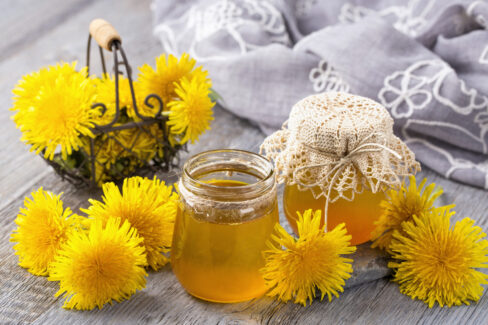
The larger leaves are also great for making wraps filled with veggies or sprouts. Meanwhile, those sunny flowers make beautiful edible garnishes for salads and soups, or you can cook them down into jams, jellies, and syrups. Even the roots are useful—roast them up for a surprisingly good caffeine-free coffee substitute!
The health benefits of dandelions
Dandelions aren’t just tasty; they’re hardworking. This wild herb acts as a natural diuretic and antispasmodic, helps kickstart your metabolism, and can even soothe inflammation. It’s a fantastic natural remedy for things like:
- Bloating and gas
- General digestive issues
- That “too full” feeling after a big meal
- Headaches
- Springtime lethargy
- Water retention
- Liver support
- Loss of appetite
- Rheumatism
Dandelions for your wellness routine
Beyond just eating them, you can use dandelions in tinctures or healing salves. People have known about their power since ancient times, often using the “pressed juice” of the plant. If you want to try a simple, healthy tea at home, it’s easy: just steep 2 teaspoons of dried dandelion herbs in about 8 ounces of hot water. Cheers to your health!