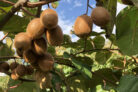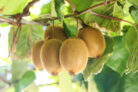
Originally from Asia, kiwis have become a favorite for home gardeners even in cooler climates. While they might seem exotic, you can definitely grow these lush vines in your own backyard! To get a healthy harvest of fuzzy fruits, there are just a few planting and care tips you’ll want to keep in mind.
The Secret Sauce for Growing Great Kiwis
To give your kiwi vine the best start and ensure it thrives through its blooming phase, here’s what you’ll need:
- A sunny, sheltered spot that stays out of the wind and doesn’t get too much shade.
- Nutrient-rich, loamy soil that’s slightly acidic (aim for a pH between 4.5 and 5).
- A good layer of mulch around the base to keep the roots moist and maintain that acidity.
- A consistent watering schedule—kiwis are thirsty plants and love to stay hydrated!
- If your soil isn’t quite right, try using rhododendron potting mix or peat-enriched soil to give them a boost.
- A sturdy trellis or support system for the vines to climb as they grow.
Buying and Planting Kiwi Bushes
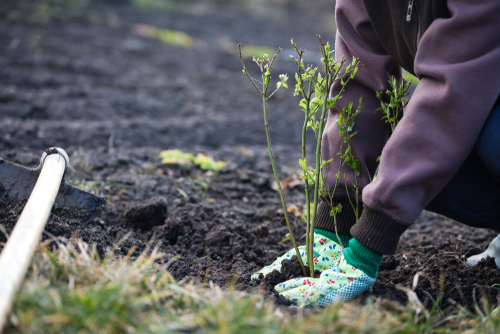
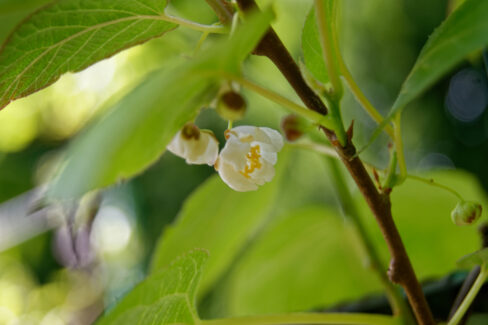
You’ll find a huge variety of kiwi types at your local nursery or garden center. If you buy an established plant, you can usually expect to see your first blossoms by the third year. One thing to remember: most kiwis are “dioecious,” meaning you’ll need to plant at least one male vine nearby to pollinate your female plants.
If you’re short on space, look for “self-fertile” or hermaphroditic varieties that don’t need a partner to produce fruit. Mini-kiwis (also known as kiwi berries) are a huge hit with home gardeners because they’re incredibly hardy and produce tons of fruit. Plus, their skin is smooth and totally edible—no peeling required!
Growing Your Own from Scratch
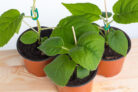
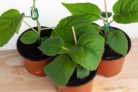
If you’re feeling adventurous and want to grow a kiwi from seeds, cuttings, or layers, just know it takes a bit more patience. Plants grown this way can take over ten years to finally produce fruit! However, the upside is that you’ll know exactly what you’re working with from day one.
To propagate your own, take cuttings in the spring before the new growth starts. If you prefer layering, you can do that anytime during the spring or summer growing season. If you’re starting from seeds, remember that they are “light germinators”—they need to be planted very shallowly to sprout. Keep them warm and consistently damp, and you should see little sprouts popping up in about two weeks.