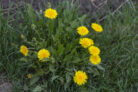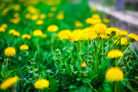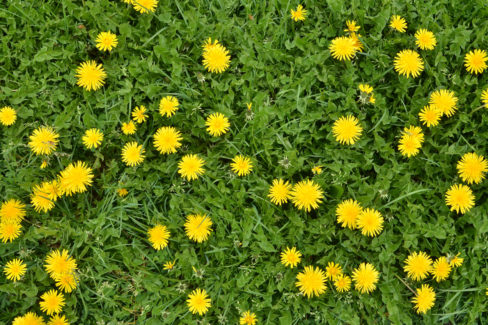
With their sunny yellow petals, dandelions love to brighten up entire landscapes all summer long. Just about everyone recognizes these cheerful blooms, which is why they’ve earned nicknames like “buttercups” or “piss-a-beds” over the years. If you’re wondering when exactly this sea of yellow makes its appearance, I’ve got you covered.
The Main Dandelion Bloom Season
The blooming cycle of these yellow composites is generally split into two phases: the main bloom and a secondary late bloom. Typically, the main dandelion season kicks off in early April. Once those hardy buds pop open, the flowering period usually stretches well into June or even early July.
During this window, individual flowers usually stay open for several days before they start to fade. To protect themselves, dandelions actually close their flower heads at night and during rainy or dry spells. By late summer—usually starting in August—many plants in the dandelion family enter a second blooming phase. These late-season flowers can keep popping up well into the fall, often as late as October.
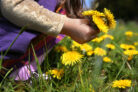
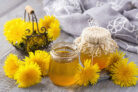
By the way: The time just before and during the peak bloom is the perfect window to harvest those yellow blossoms for salads, homemade syrup, or dandelion wine!
Flower Characteristics
Here’s a quick breakdown of what makes a dandelion flower unique:
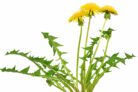
- One flower per stalk
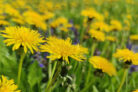
- Flower heads (capitula) are usually 1 to 2 inches wide
- The flower head sits right at the top of the hollow stem
- Flat, saucer-shaped inflorescence
- Roughly 200 to 300 individual ray florets per flower head
- Each floret contains 5 petals, 5 anthers, and a style
- Signature bright yellow color with grass-green bracts at the base
From Blooms to Seeds: The Self-Seeding Phase
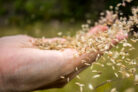
Once the blooming period ends, you have to be on high alert! If you don’t want dandelions taking over your entire yard, you’ll want to harvest or deadhead the flowers while they’re still yellow. As soon as the flowering phase finishes, the plant transforms into those iconic “puffballs” (seed heads) that disperse at the slightest touch.
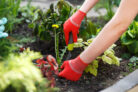
Even a gentle breeze will send those tiny parachutes flying, allowing the dandelion to spread rapidly across your lawn. If you’re aiming for a dandelion-free garden, it’s best to pull them before or during the flowering stage.
One last tip: An early bloom provides a massive amount of pollen and nectar, making dandelions an incredibly important food source for bees and other pollinators waking up in the spring!