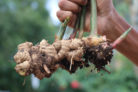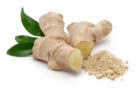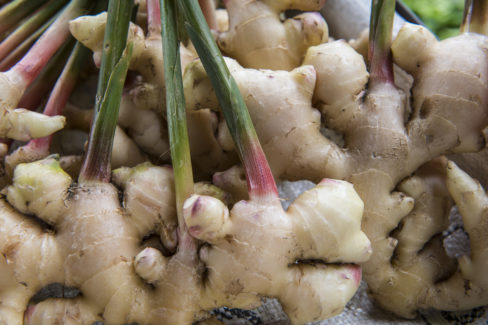
Ginger is definitely having a moment! Thanks to its starring role in so many global cuisines, this spicy root has become a kitchen staple. But here’s a pro tip: you don’t have to keep buying it at the grocery store. Even though this exotic plant hails from the tropics, you can actually grow it yourself without too much fuss.
Propagating from the Root
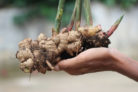
Technically, you could grow ginger from seeds, but honestly? It’s a headache. Plants grown outside their native habitat rarely produce seeds because they don’t get the exact flowering and pollination conditions they need. The much easier route is growing ginger from root segments—pretty much the same way you’d plant potatoes.
Timing is everything here. Ginger rhizomes take a long time to develop, so you need to start early in the year. I recommend getting those rhizomes sprouting by January. If you’ve got the extra space indoors, you can even kick things off in December.
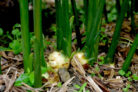
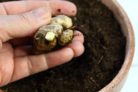
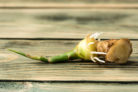
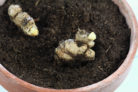
Just place a piece of the root in a warm spot. Keep an eye on it to make sure it doesn’t dry out—a little misting with water every now and then does wonders. Once you see those little green nubs (side shoots) starting to pop out, it’s ready for soil. If you have a large rhizome with several shoots, feel free to cut it into smaller pieces.
Moving Outdoors in May
Ginger is a total diva when it comes to the cold. It’s incredibly frost-sensitive, so don’t even think about moving it outside until mid-May at the earliest. When picking a spot, look for somewhere sunny but protected from the harsh, non-stop midday sun.
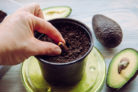
Until it’s safe to go outside in May, plant your sprouted root pieces in a shallow pot. Why shallow? It encourages the ginger to grow healthy roots without them diving too deep. If the roots get too long and tangled, you risk damaging them during the transplant, which can really stunt the growth of your ginger harvest.
If you plan on keeping your ginger in a container all season, go ahead and start it in a deep pot from the get-go. Use a nutrient-rich potting mix and blend in some sand or lava granules to make sure it drains well.
Keep it Rich and Humid
In the wild, ginger thrives in nutrient-dense soil with high humidity, which keeps the ground consistently moist. If you’re dreaming of a big ginger harvest come fall, you’ll want to mimic those tropical vibes as closely as possible.
Ginger will still grow if the air is dry, but your yield won’t be nearly as impressive. A greenhouse is really the gold standard for ginger because it traps that humidity. No greenhouse? No problem. Just plant your ginger in partial shade and give the leaves a little “shower” when you water them. One quick tip: always use room-temperature water. A cold shock from the garden hose can actually put the brakes on its development.
Finally, remember that ginger loves “food” and loose soil. A mix of well-aged compost and sand is perfect. Give your plants a boost with liquid fertilizer every two to three weeks, starting shortly after you’ve moved them to their permanent home. This early feeding is the secret to a healthy, vigorous plant!