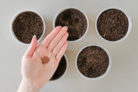
You can find pepper seeds at specialty garden shops, though they aren’t exactly common. If you happen to spot some, don’t hesitate—grab them! You’ll want to get them in the soil as soon as possible because these seeds lose their ability to sprout pretty quickly.
Sowing Your Pepper Seeds
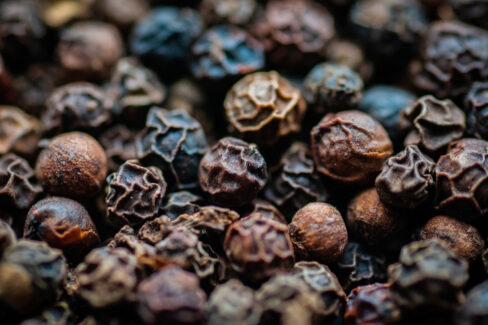
Just a heads-up: those peppercorns in your spice rack won’t work. They’ve been treated and dried, so they aren’t viable for planting. Your best bet is to look for seeds online or at a specialty nursery. The cool thing is that you can start pepper seeds any time of year, as long as you can provide a “tropical” environment: we’re talking at least 77°F (25°C) and 60% humidity. Here’s how to get started:
- Soak your seeds in lukewarm water for a few hours.
- While they’re soaking, prep your potting mix.
- Mix 3 parts seed-starting soil with 1 part sand. It’s a good idea to sterilize the mix in the oven or microwave first to kill off any pests.
- Put the soil in a planting tray, moisten it slightly, and let it cool down.
- Take the seeds out of the water and gently pat them dry.
- Press the seeds about half an inch (1 cm) deep into the soil.
- Cover the tray with plastic wrap to create a mini-greenhouse effect. Just make sure to vent it regularly so you don’t get mold.
- Place the tray in a bright, very warm spot, but keep it out of direct sunlight.
- Keep an eye on the humidity; a little misting every now and then helps a lot.
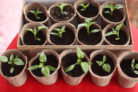
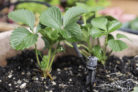
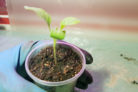
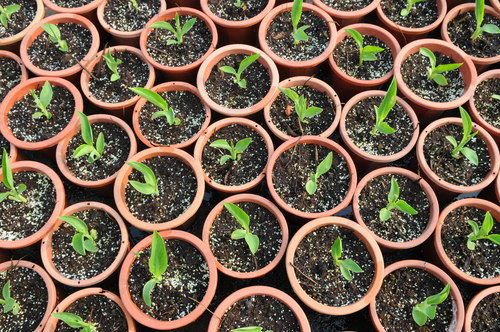
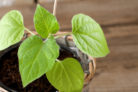
After a few weeks, you should see some sprouts! Once they’re sturdy enough, you can “prick” them out and move them into their own pots. To keep them happy, you’ll need to maintain those tropical conditions. Since most homes are a bit too dry for pepper plants, they usually do best in a climate-controlled greenhouse.
Ongoing Care
Young pepper plants absolutely love warmth and moisture, but they prefer partial shade over full sun. When it comes to watering, keep it moderate—the soil should be consistently damp, but never soggy (root rot is no joke!). During the growing season, give them a little liquid fertilizer once a week. In the winter, you can scale that back to once a month. Since pepper is a natural climber, you’ll need to provide a trellis or stake as soon as they start getting tall. If you manage to get your plant to bloom, you could be harvesting your very own homegrown peppercorns in about eight months!