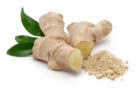
Growing your own ginger is actually surprisingly easy! You can easily propagate new plants using the rhizome (that’s the root we all know and love). While you could technically try growing it from seed, it’s a huge hassle and rarely works out, so sticking with the root is definitely the way to go.
Choosing Your Rhizomes
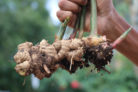
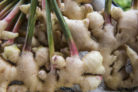
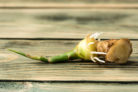
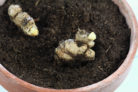
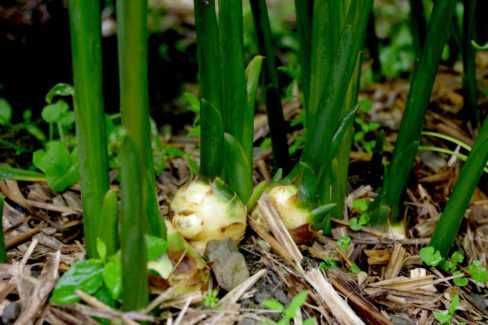
The best part about growing ginger? You don’t need to hunt down a specialty nursery. You can just grab a piece of ginger root from your local grocery store! I always recommend going with organic ginger if you can. If you see a piece that’s been sitting on the shelf for a bit and is already starting to sprout little green “eyes,” grab it—that’s gold! Sometimes stores even mark those pieces down, and they are perfect for planting.
Avoid any rhizomes that look damaged or shriveled. If a spot looks wrinkly, it’s usually a sign that the inside is starting to rot. If you have a large piece with a bad spot, you can just cut that part off, but for smaller pieces, it’s better to start with a healthy, firm root so it has enough energy to sprout.
Dividing the Rhizomes
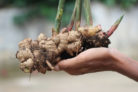
If you have a large piece of ginger with several sprouts, you can actually grow multiple plants by dividing it. Just make sure each piece you cut has at least one good bud or sprout.
When you’re ready to divide, use a sharp, clean knife to get a nice smooth cut. Don’t plant them right away, though! Let the cut ends dry out for a few days until they “callus” over. This prevents the root from rotting once it hits the soil.
Starting Your Ginger Indoors
Ginger is a perennial, but it’s a slow grower when it comes to developing those chunky roots. To give yourself a head start, you’ll want to start the process indoors during the winter—January is the perfect time to start your own ginger. You can let it sprout in a warm spot or place it in a shallow seed-starting tray.
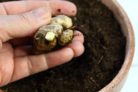
Pro tip: Before you put the rhizome in the soil, let it soak in warm water overnight. This really helps wake the plant up and encourages sprouting. When you’re ready to plant, just tuck the rhizome into the soil horizontally, keeping it fairly shallow.
Moving Ginger Outdoors
Once the middle of May rolls around and the frost is gone, you can move your ginger babies outside. Ginger loves a tropical vibe—think warm and humid. However, it’s not a fan of harsh, direct sunlight, so find a spot with partial shade.
If you have a greenhouse, that’s even better! Ginger thrives in the humidity of a greenhouse. It actually makes a great “garden buddy” for cucumbers since they both love moisture. Just keep it away from your tomatoes; tomatoes like things a bit drier, while ginger wants to feel like it’s in the rainforest.
Ginger is a hungry plant, so it needs nutrient-rich soil from day one. When you transplant it, fill the hole with high-quality compost. If you don’t have compost handy, regular garden soil mixed with a slow-release organic fertilizer (like horn meal) works great too.
Once your ginger is growing, it’s pretty low-maintenance. Just make sure to water it regularly. Unlike some plants, ginger doesn’t mind if its leaves get a little wet, but it does prefer filtered water or rainwater over cold, hard tap water.