Growing your own ginger is surprisingly easy, and there’s nothing quite like the punchy, fresh aroma of a homegrown harvest. If you’re looking to add a little tropical flair to your garden, ginger is a fantastic choice—it’s not too demanding, and the results are delicious.
Starting Your Ginger Early
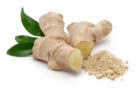
Ginger needs a long growing season to really thrive, so it’s best to get a head start. I recommend starting your “pre-sprouting” as early as January. Since we all love ginger tea and spicy recipes during the winter anyway, just save a fresh piece of the root (the rhizome) from your grocery haul to get started!
Here’s how to get those sprouts moving:
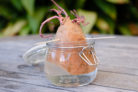
- Soak the rhizome in lukewarm water overnight.
- Fill a shallow tray with nutrient-rich potting soil.
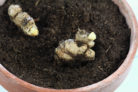
- Place the rhizome in the soil.
- Give it a light watering.
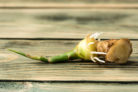
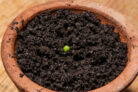
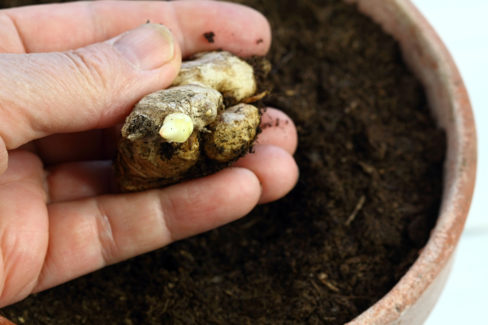
If you leave ginger in a warm spot for a while, you’ll often see little green buds starting to peek out on their own. If one rhizome has several sprouts, you can actually cut it into pieces to get multiple plants. Just make sure to let the cut ends dry out for a few days before planting to prevent rot. Once they’re calloused over, tuck them into your shallow tray.
Growing Ginger in Containers
Keep in mind that ginger is a tropical plant and hates the cold. If you want to overwinter your plants indoors, growing them in pots from the get-go is the way to go.
Ginger is prone to root rot if it sits in water, so drainage is key. Start with a layer of expanded clay or lava rocks at the bottom of your pot, then fill it with high-quality potting mix. Plant the rhizome so it’s covered by about an inch of soil. Make sure your pot is big enough—aim for at least a 1-gallon (3-liter) container so the roots have room to spread.
Moving Ginger Outdoors
You can move your sprouted ginger into the garden once the threat of frost has passed—usually around mid-May. If you have a greenhouse, you can get them in the ground a week or two earlier. Growing ginger in a greenhouse is actually ideal because it mimics the humid, tropical environment these plants love.
How to plant in the garden:
- Dig a planting hole.
- Carefully remove the ginger from its starter tray.
- Place it gently in the hole.
- Fill the hole with rich compost.
Make sure the hole is deep enough so that about two-thirds of the new green shoots are tucked under the soil.
Caring for Your Ginger Plants
Ginger is pretty low-maintenance once it gets going, but it is a “heavy feeder.” During the summer, keep the soil consistently moist. These plants also love a good misting or a gentle “shower” with the hose to keep the humidity up. Just a tip: try to use lukewarm water rather than ice-cold water from the tap so you don’t shock the roots.
Because ginger is so hungry for nutrients, you’ll want to fertilize every two to three weeks. A standard organic liquid fertilizer works great. Once late summer hits, switch to a fertilizer higher in potassium—this helps the plant focus on growing those big, healthy roots we’re looking for!