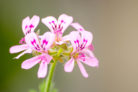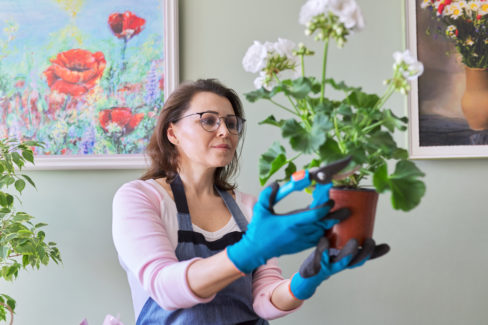
If you’re looking to deck out your balcony with a sea of flowers, you’re going to need quite a few geraniums. Beyond just the aesthetics, there are plenty of great reasons to fill your pots with these vibrant bloomers. But instead of dropping a fortune at the garden center, why not try growing them yourself? It’s surprisingly easy and budget-friendly to propagate geraniums at home using either cuttings or seeds.
Growing Geraniums from Cuttings
Most home gardeners swear by geranium cuttings because they root so easily. Another huge plus? The new plants will be identical to the mother plant, making this the perfect way to “clone” your absolute favorites. For the best results, aim to do this in August or the first half of September.
Step-by-Step Guide
- Pick out healthy, finger-thick stems that don’t have any flowers on them yet.
- Snip off cuttings about 4 inches (10 cm) long, cutting just below a leaf node. Make sure to use clean, sharp shears for a nice smooth cut.
- Strip off the bottom leaves and any tiny buds until you’re left with just one pair of large leaves at the top.
- Let the cut ends air-dry for about two hours to callous over.
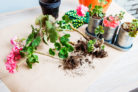
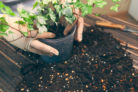
- Fill your pots with seed-starting mix (standard potting soil works in a pinch, too).
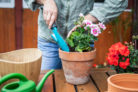
- Stick one cutting per pot about an inch (2 cm) deep into the soil.
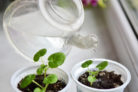
- Press the soil down firmly and give them a good drink of water.
- Cover the pots with a plastic bag to create a mini-greenhouse (just remember to vent it daily!).
- Place the pots in a warm, sheltered spot out of direct sunlight.
- Keep the soil consistently moist, but not soggy.
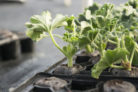
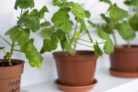
In about four to six weeks, you’ll see new leaves sprouting—a sure sign they’ve successfully rooted! It’ll still be a little while until their first blooming season, though. Your first priority will be getting them through their winter dormancy.
Sowing Geranium Seeds
If you leave a few of your prettiest flowers on the plant, you can harvest ripe, viable seeds in the fall. Keep them in an airtight container in a dark spot until you’re ready to plant them indoors in January or early February. Of course, you can also find plenty of affordable seeds at your local nursery. Here’s how to get them started:
- Use a high-quality seed-starting mix.
- Only cover the seeds lightly with soil; they need light to germinate.
- Keep the soil consistently damp.
- Cover with plastic wrap until they sprout.
- Place them in a bright spot at temperatures between 68°F and 72°F (20-22°C).
- Once the seedlings have four leaves, transplant (prick out) them into nutrient-rich soil.
- Start fertilizing for the first time about 4-6 weeks after germination.
Pro Tip:
Once your young plants hit about 8 inches (20 cm) tall, pinch off the tips. This encourages them to branch out and get nice and bushy.
Moving Your Young Plants Outdoors
Whether you grew them from cuttings or seeds, don’t rush to plant your geraniums on the balcony until the danger of frost has passed (usually after Mother’s Day). These beauties—botanically known as Pelargoniums—hail from South Africa and absolutely cannot handle frost. Make sure to harden them off by gradually getting them used to the sun and wind at their new outdoor location.