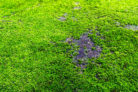
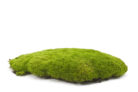
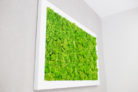
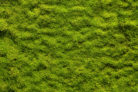
Adding a lush moss carpet to your garden isn’t just a great way to add some visual flair—it’s also incredibly low-maintenance. Once it’s established, this hardy little plant pretty much takes care of itself, spreading naturally to create a dense, velvety green floor that lasts year-round.
Finding the Perfect Spot
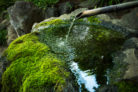
In the wild, you’ll mostly spot moss in cool, damp, shady areas like deep forests, clinging to tree trunks, or tucked away along meadow edges. If you want your garden moss to really thrive, your best bet is to mimic those natural conditions as closely as possible.
The ideal location is shady or, at the very least, partially shaded. While there are a few sun-loving varieties, most mosses prefer temperatures between 60 and 70 degrees Fahrenheit. You’ll want a spot that stays consistently moist, but make sure it has decent drainage—moss doesn’t like sitting in stagnant puddles. As for the soil, aim for something slightly acidic with a pH between 5 and 6.
Best Moss Varieties for Your Garden
If you’re looking to start your own moss garden, some varieties are much easier to work with than others. I recommend checking out:
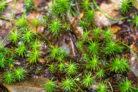
- Haircap moss (Widertonmoos)
- Common liverwort (Brunnenlebermoos)
- Pincushion moss (Weismoos)
- Broom forksmoss (Besenmoos)
Using Moss as Groundcover or a Lawn Alternative
Because of its compact growth habit and specific environmental needs, moss makes a fantastic groundcover or even a lawn alternative for those tricky spots. When the soil conditions are just right, moss grows surprisingly fast, weaving together into a thick green rug. It’s the perfect solution for those “problem areas” in your yard where traditional grass or flowers just refuse to grow.
Growing Moss on Stones and Walls
One of the coolest things about moss is that it doesn’t have true roots, which means it can grow on almost anything—branches, rocks, or old stone walls. To help it “stick” to vertical or hard surfaces, try the buttermilk trick! Just toss a handful of moss into a blender with two cups of buttermilk (or plain yogurt) and a splash of water. Blend it until it’s a spreadable paste, paint it onto your surface, and then press your moss patches firmly into place.
Moss in Aquariums
Did you know some mosses love life underwater? Certain species are perfect for adding a decorative touch to aquariums or terrariums. When anchored to stones or driftwood, these aquatic mosses create a stunning, natural look that really makes your tank pop.