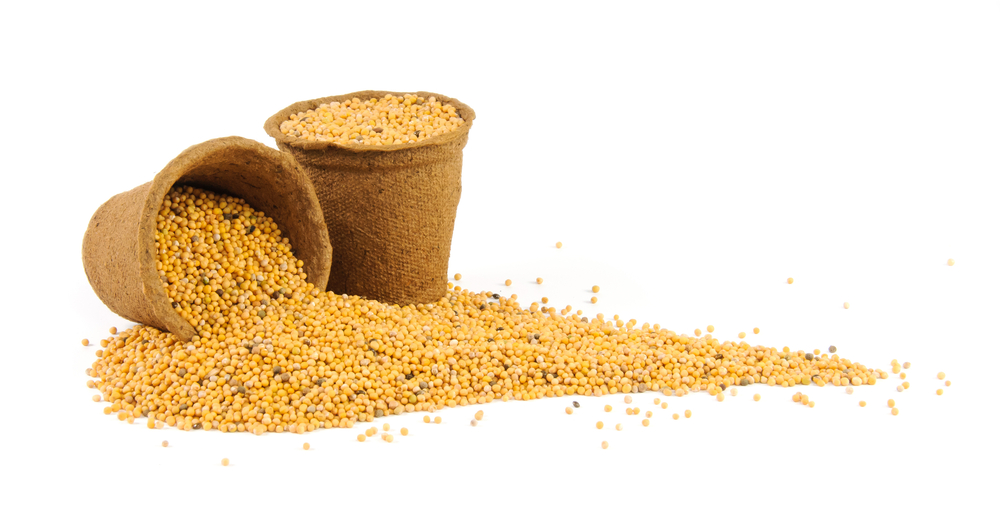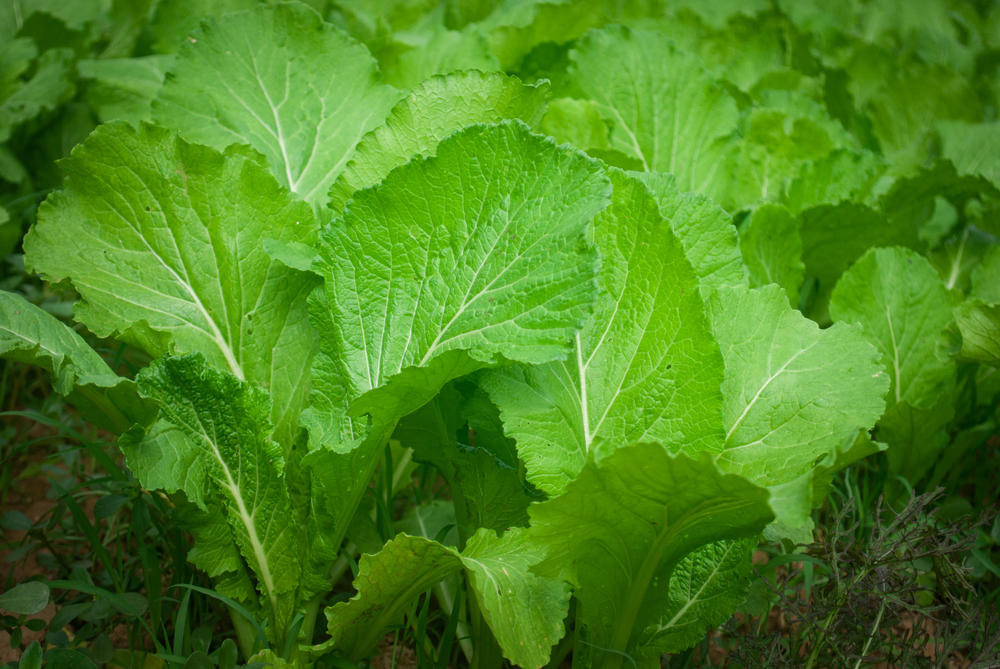
If you’ve been hanging around the gardening world for a bit, you’ve probably realized that growing your own mustard is a total game-changer. It’s a huge favorite for home gardeners because it’s so versatile—you can use those spicy seeds for DIY condiments or toss the peppery leaves right into your salads. Here’s everything you need to know to get your mustard patch started.
Choosing Your Mustard Variety
Before you get your hands dirty, you’ve got to pick your flavor profile. Generally, there are three main types you’ll run into:
1. Brown Mustard (often called Oriental mustard; this is the one with the real kick!),
2. White or Yellow Mustard (this is the milder stuff used for that classic ballpark yellow mustard), and
3. Black Mustard (used to make those dark, pungent specialty mustards).
All three belong to the brassica family (the same family as broccoli and kale) and are fantastic for making your own homemade spreads.
The Best Spot for Your Mustard
If you’re wondering where to plant, I have good news: mustard isn’t very picky. It loves the light, but it’s perfectly happy in either full sun or partial shade. Space is the only real thing to keep in mind—Black mustard grows quite tall, while Yellow and White varieties stay a bit more compact. In fact, you can easily grow Yellow or White mustard in pots on your balcony or patio.
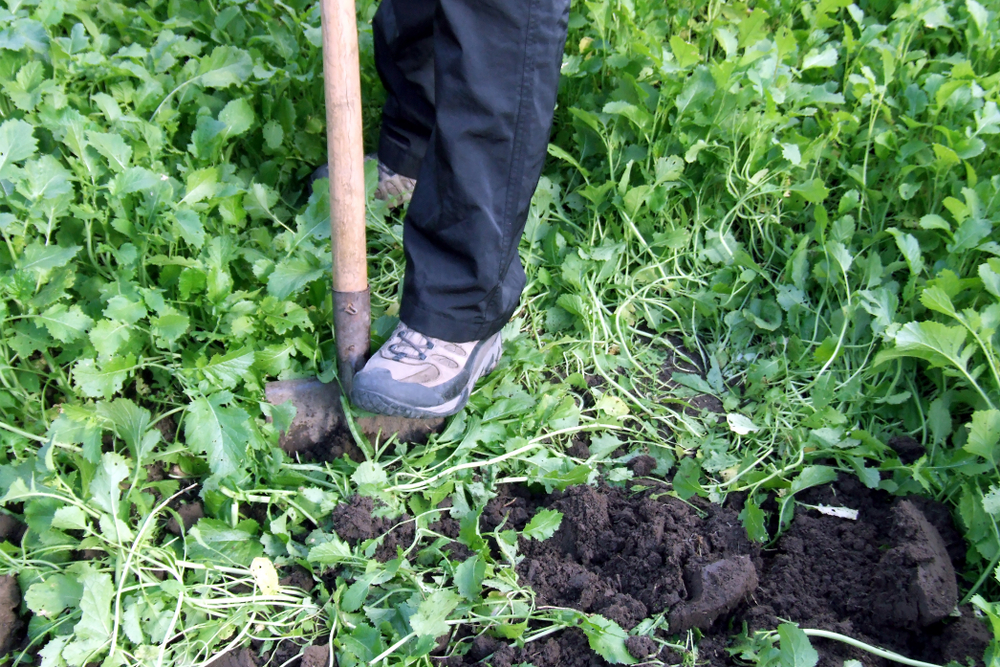
Generally speaking, mustard is a “set it and forget it” kind of plant that grows almost anywhere. However, there is one golden rule: crop rotation. Since mustard is a brassica, you shouldn’t plant it in the same spot year after year, or the soil gets “tired.” Give that patch of dirt a four-year break before planting mustard there again. Also, avoid spots where you’ve recently grown:
- Radishes,
- Rapeseed,
- Horseradish,
- Any type of cabbage or kale, or
- Cress.
Sowing, Caring for, and Harvesting Your Mustard
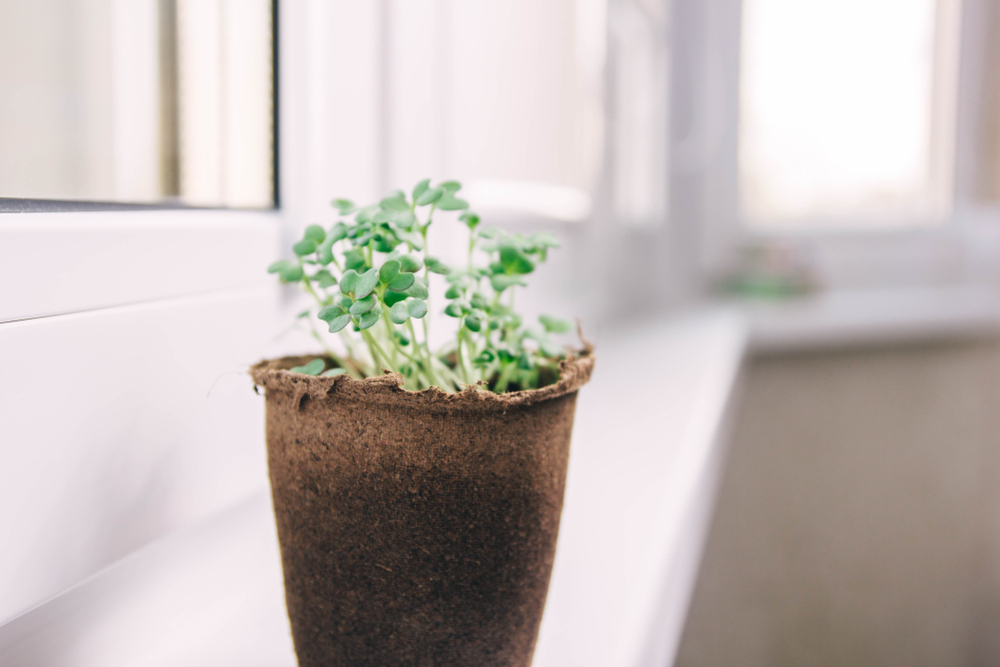
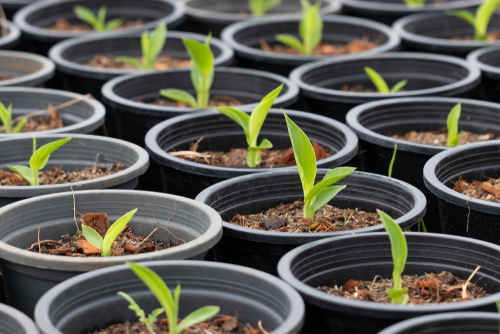
You can actually sow mustard seeds pretty much year-round. If you’re itching to get an early start, you can start seeds indoors on a sunny windowsill as early as February. Once the threat of frost has passed, you can move those seedlings outside or just direct-sow them straight into the garden. If you’re aiming to harvest your own seeds for cooking, early May is the sweet spot for planting.
As I mentioned, mustard is low-maintenance. You don’t even need to worry about fertilizer! Just make sure to give it a drink of water every now and then—you don’t want the soil to bone dry, but you don’t need to baby it either.
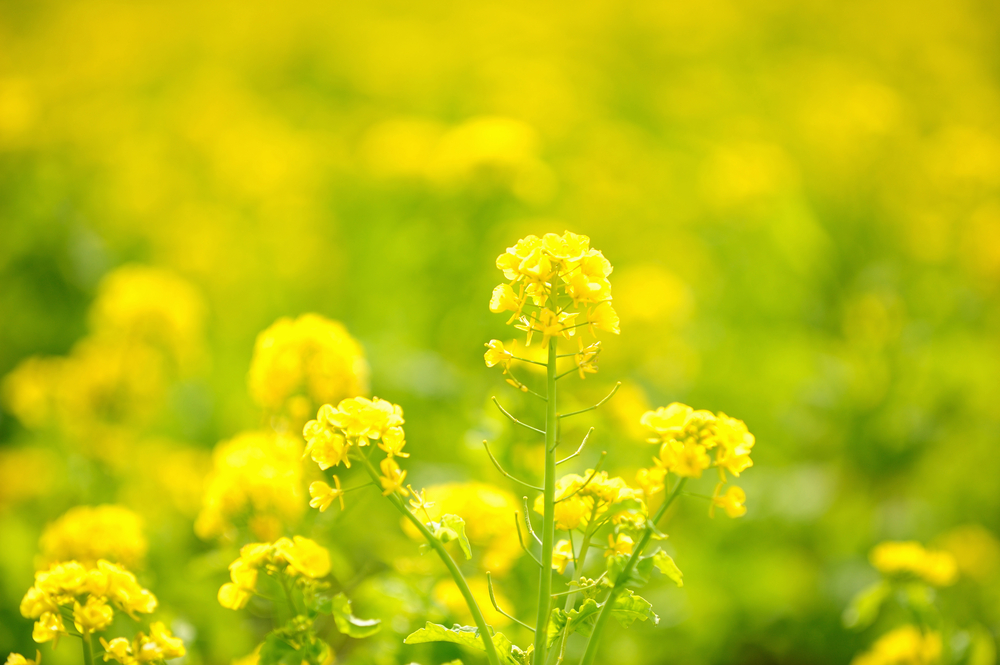
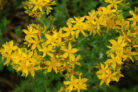
When it comes time to harvest, you get a double win: the leaves and the seeds are both edible. You can start snacking on the leaves early in the season (just pick a few at a time so the plant stays strong). The mustard seeds develop after the plant blooms. Mustard usually puts on a show of beautiful yellow flowers in June; once those blooms appear, leave the remaining leaves on the plant so it can focus its energy on producing those spicy seeds!