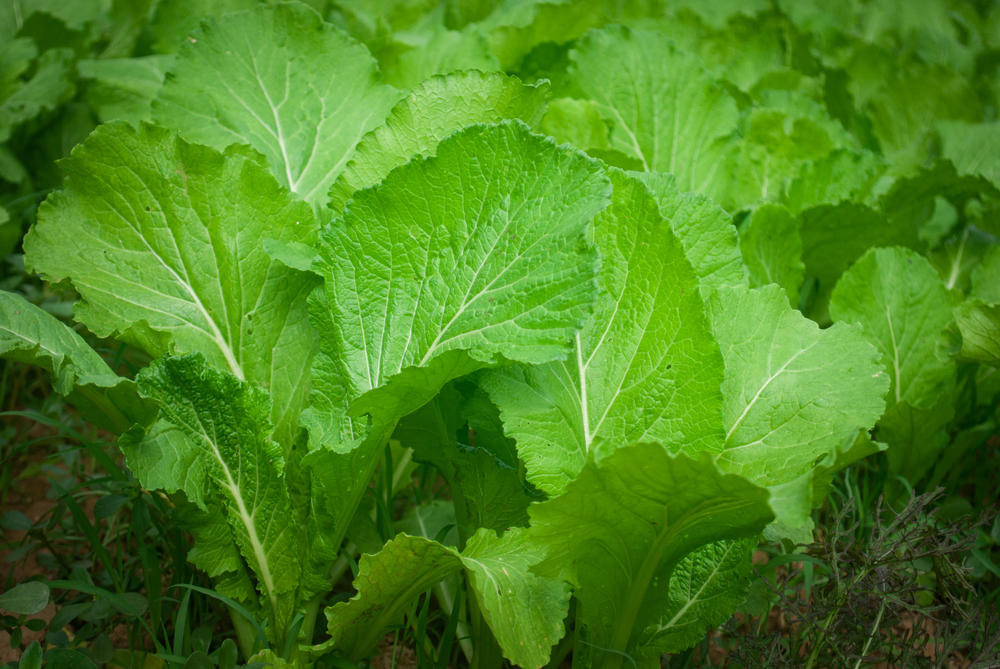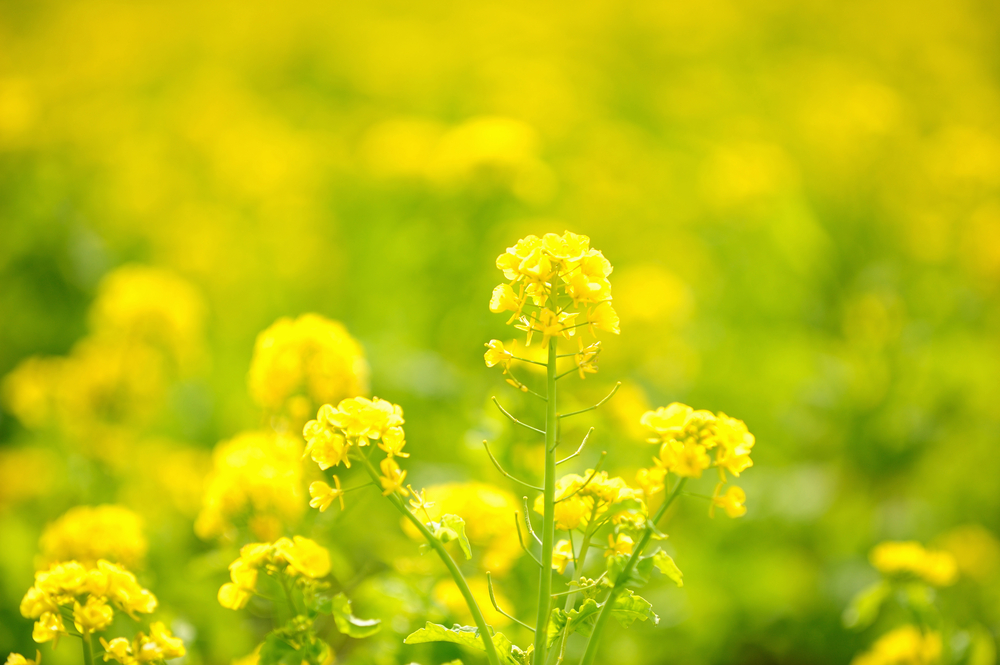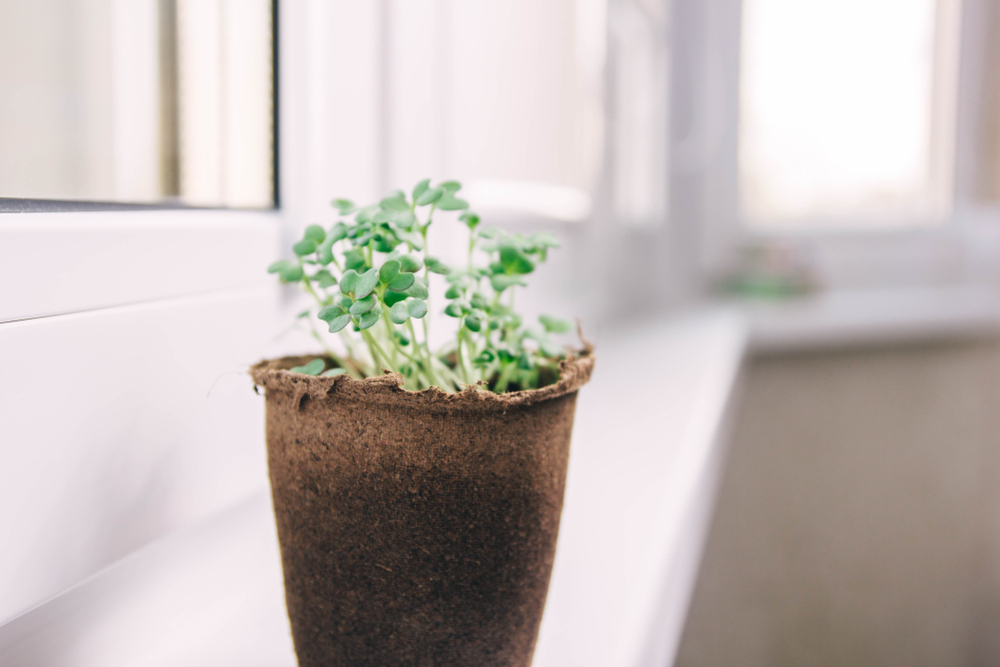
Growing your own mustard is surprisingly easy! Whether you have a sprawling veggie patch or just a few pots on your balcony, this versatile spice plant is a fantastic addition to any garden. Not only does it look great, but it also gives you a huge harvest and even works wonders as a natural green manure to boost your soil health.
The Best Conditions for Growing Mustard
Mustard is one of those low-maintenance plants that every gardener loves. Honestly, as long as it has some light and water, it’s happy. It doesn’t even need full sun; a spot with partial shade works just fine. You’ll want to keep the soil consistently moist right after sowing, but once the plants are established, you only need to water them occasionally. As for the soil? Mustard isn’t picky at all, and you can totally skip the fertilizer.
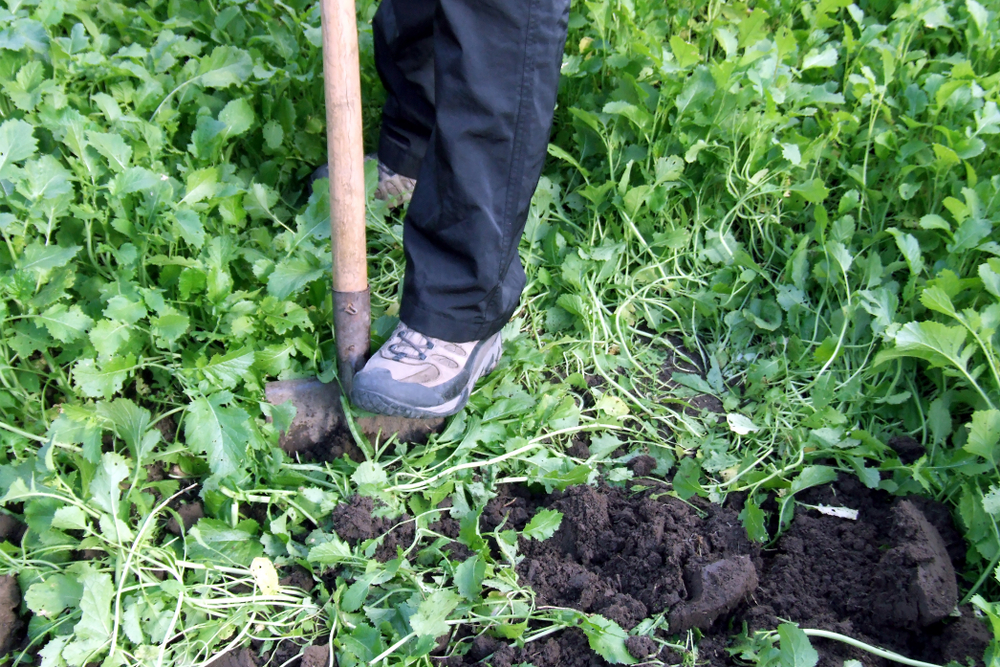
One pro-tip: try not to plant mustard in the exact same spot for more than four years in a row. Since it’s part of the brassica family (cruciferous vegetables), following a basic crop rotation helps keep the soil healthy. Mustard is also a superstar “cover crop” or “green manure.” If you have a bare patch of garden, planting mustard helps enrich the soil with nutrients, prevents erosion, and keeps those pesky weeds from taking over.
How to Get Started
Technically, you can sow mustard seeds any time of year as long as the ground isn’t frozen. However, if your goal is to harvest your own mustard seeds, you’ll want to get your seeds in the ground around May. Aim for a planting depth of about an inch and space your plants roughly 8 to 10 inches apart. You can snip the leaves to eat all year round, but the seeds will be ready for harvest in the early fall.
While most people think of the seeds first, don’t sleep on the leaves! They have a lovely, mild mustard tang that tastes amazing in salads, soups, or stirred into warm dishes.
Now, harvesting the seeds takes a little bit of effort. Like peas or beans, mustard seeds grow inside pods, but these pods are a bit tougher to crack open. You’ll know they’re ripe when the pods turn yellow and make a distinct rattling sound when you touch them.
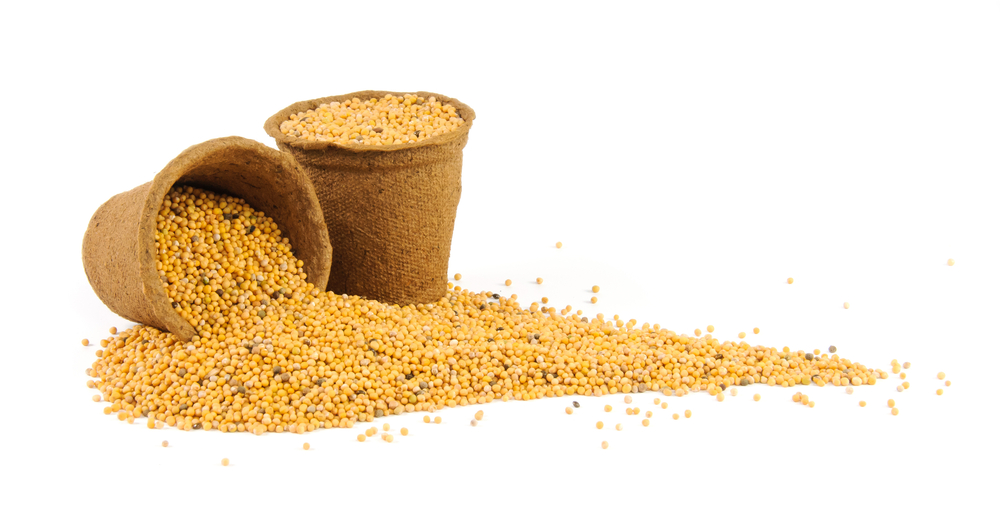
Here’s a fun trick for getting the seeds out: gather the pods and put them inside a sturdy cloth bag or sack. Give the bag a few good whacks against a wall or hard surface to break the pods open. You’ll be surprised at how many seeds you get—each tiny pod is packed with them! Once you’ve collected your harvest, you can use the seeds as a spice, grind them into homemade mustard, or save them to plant again next season.