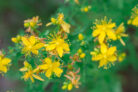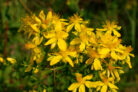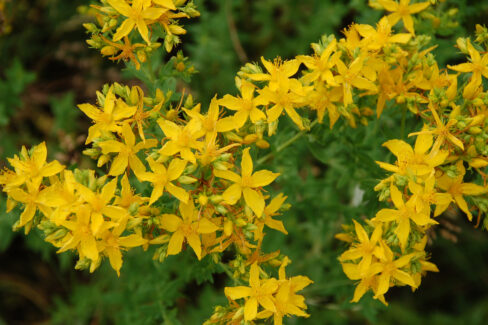
The St. John’s Wort family, known scientifically as *Hypericaceae*, includes a ton of different species. The good news? Pretty much all of them are super easy to grow from seed. But just because you’ve got a handful of tiny seeds doesn’t mean you’re guaranteed those iconic yellow blooms right away. To get the best results, you’ll want to nail the sowing process and give your seedlings a little TLC.
All About the Seeds
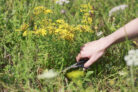
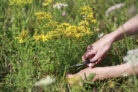
After the blooming season wraps up, the plant produces berry-like fruits. You can usually harvest these around late September or early October. Let them air-dry for a bit, and the seeds will pop right out. These seeds are tiny—we’re talking maybe 1 mm long—oval-shaped, smooth, and range from brown to dark blackish-brown. One important thing to remember: they are light-germinating, meaning they need sunshine to wake up! Of course, if you don’t want to forage, you can always start your garden journey with a packet of store-bought seeds.
Quick Tip:
If you’re gathering seeds in the wild, take a very close look at the plant first. It’s easy to mistake St. John’s Wort for Tansy Ragwort, which is actually toxic.
When to Plant
You can start your St. John’s Wort seeds indoors as early as March. If you prefer direct sowing in the garden, wait until mid-May (or a little earlier if you live in a warmer climate). If you get them in the ground in the spring, you’ll likely see flowers that same year. You can still sow them in mid-summer, but in that case, you usually won’t see blossoms until the following season.
How to Sow Your Seeds
These seeds like it cozy, germinating best at temperatures between 65°F and 72°F (18-22°C). Depending on the weather, it usually takes about two to four weeks for them to sprout. If you’re sowing directly outside, it’s easiest to plant them exactly where you want them to stay.
- Fill a large seed tray with high-quality seed-starting mix or prep your garden bed.
- Since the seeds are so small, mix them with some fine sand to help spread them out evenly.
- Scatter them on the surface. Only cover them with a paper-thin layer of soil, or better yet, just press them gently into the dirt.
- Keep the soil consistently moist but not soggy.
Caring for Your Seedlings
Once your seeds have sprouted and grown into little plants about 2 to 4 inches tall, they’re strong enough to handle life outdoors. Here’s how to set them up for success:
- Pick a spot that gets full sun to partial shade.
- Use well-draining soil that’s rich in organic matter.
- Mix in some compost before planting.
- Depending on the specific variety, they might appreciate some lime (crushed eggshells work great for this!).
- Space your plants about 12 inches apart.