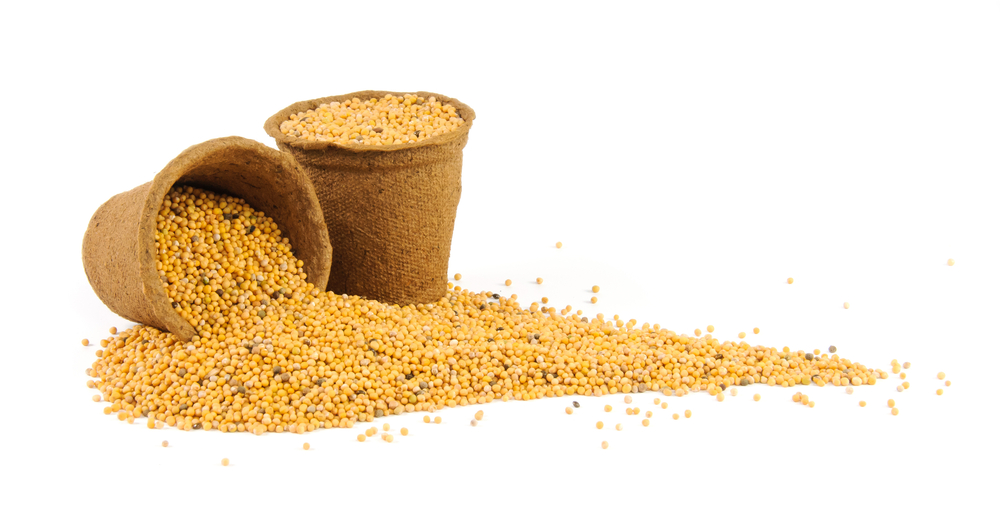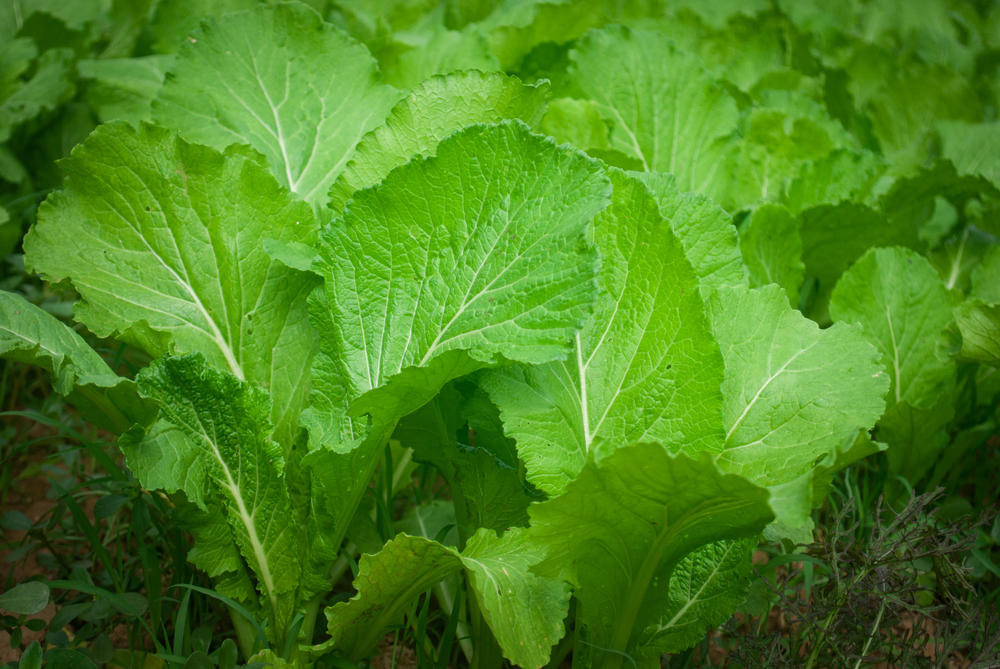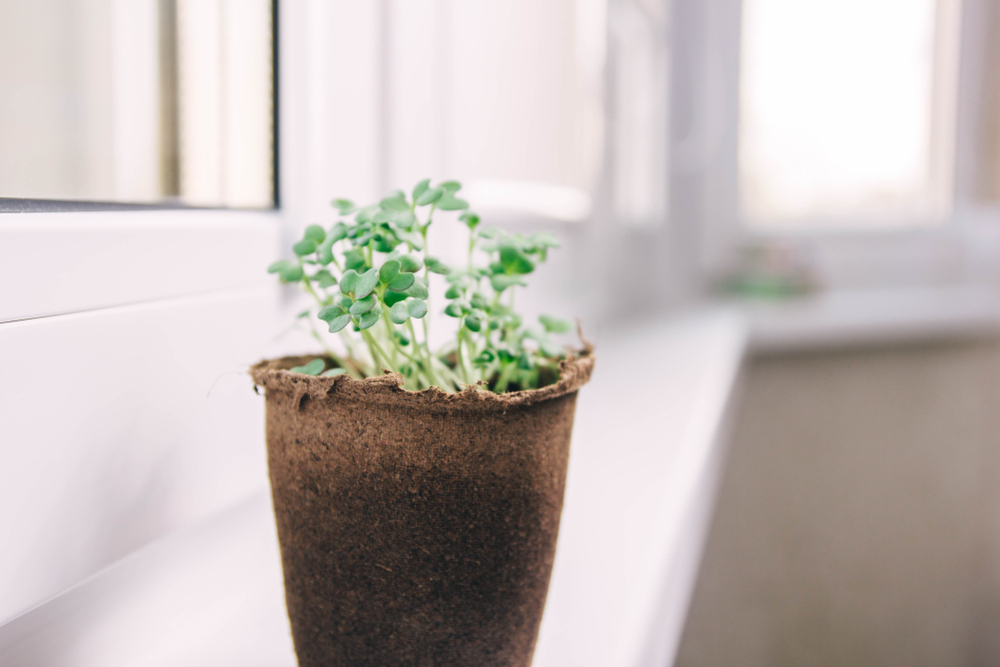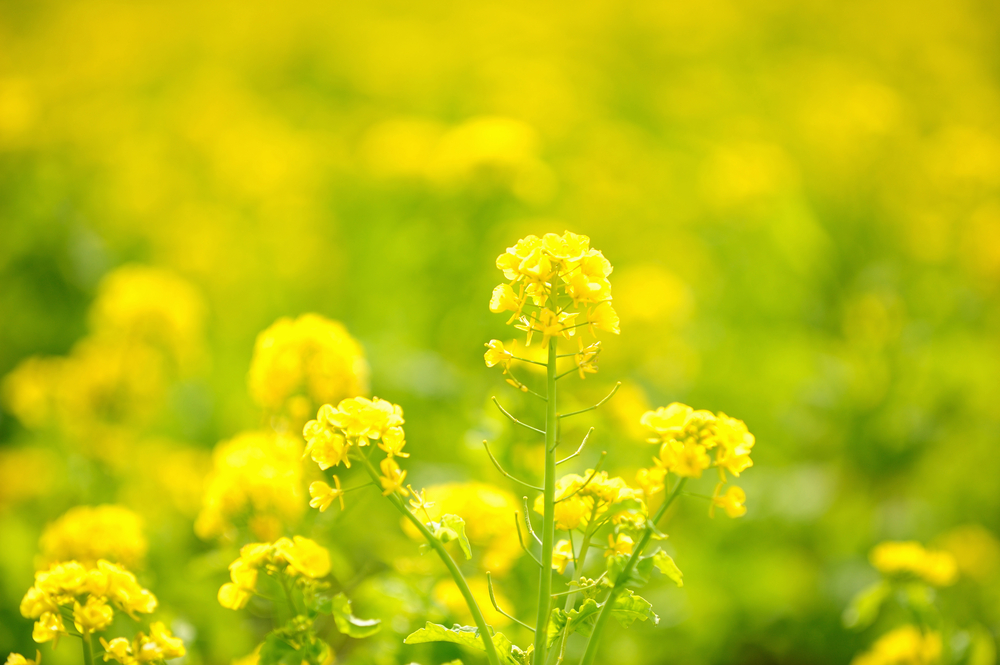
Mustard is an absolute superstar when it comes to cover cropping. By planting it between your main harvests, you’re giving your garden bed a fantastic nutrient boost while preventing all that good stuff from washing away in the rain. Plus, as a little bonus for the chef in the family, the leaves make a delicious, peppery addition to salads and soups!
What exactly is “Green Manure” and why do you need it?
Think of green manure (or a cover crop) as a spa treatment for your soil. It’s usually planted on empty beds, especially after you’ve grown “heavy feeders” that have sucked the nutrients dry. Mustard helps recharge the soil and prevents it from getting compacted or crusty. Because mustard has deep roots, it acts like a natural tiller, loosening up the earth deep down.
It also grows into a thick, lush carpet that protects the soil surface. This living mulch keeps nutrients from leaching out and—my favorite part—smothers out weeds so they don’t take over. Once you’re done harvesting your mustard, you’ll find it’s much easier to start your next round of fruits or veggies without spending hours weeding or tilling.
How to grow mustard as a cover crop
The great thing about mustard is that you can plant it almost any time of year, as long as there’s no frost in the forecast. It’s the perfect “gap filler” for when you’ve finished an early harvest—like strawberries or spring lettuce—and your bed would otherwise just sit there empty.
Another reason I love mustard as a catch crop? It’s incredibly low-maintenance. It just needs a bit of light and an occasional drink of water. While it’s growing, feel free to snip off a few of those zesty leaves to add a nice kick to your cooking. In the fall, after the blooming period, you can simply cut the plants down to the ground.
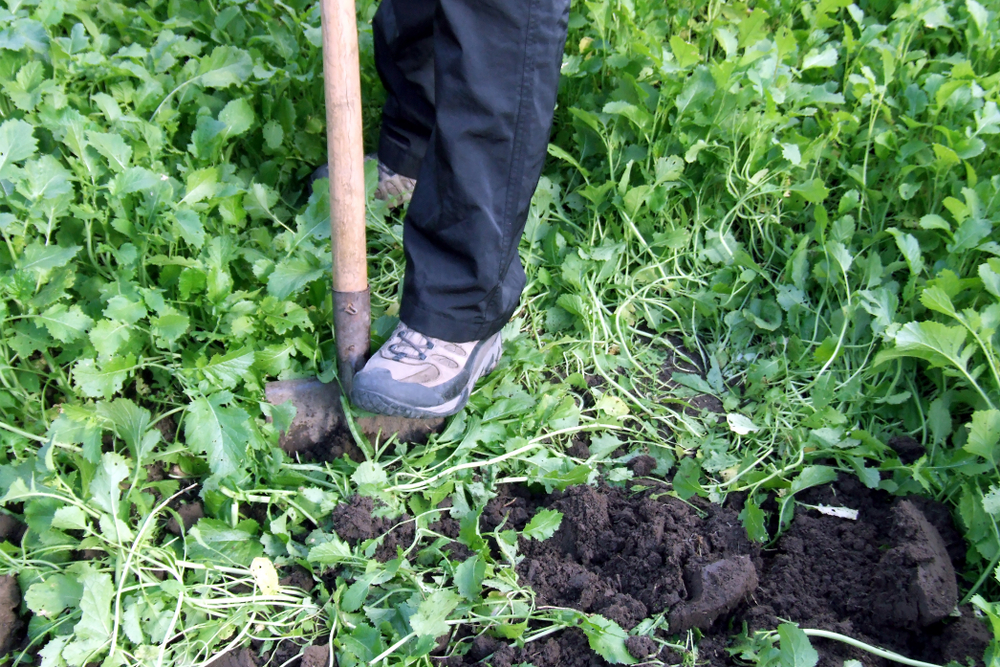
Don’t worry about cleaning up the clippings right away! Leave the leaves and stems right there on the soil. They’ll act as a protective layer and slowly release nutrients back into the earth. If you want to be even more hands-off, you can just let the plants stand through winter. They’ll eventually freeze, and the leaves will drop naturally. In the spring, you can just mix the remains right into the soil. Just a heads-up, though: if you let them go to seed, you might see some “volunteer” mustard popping up on its own next season!