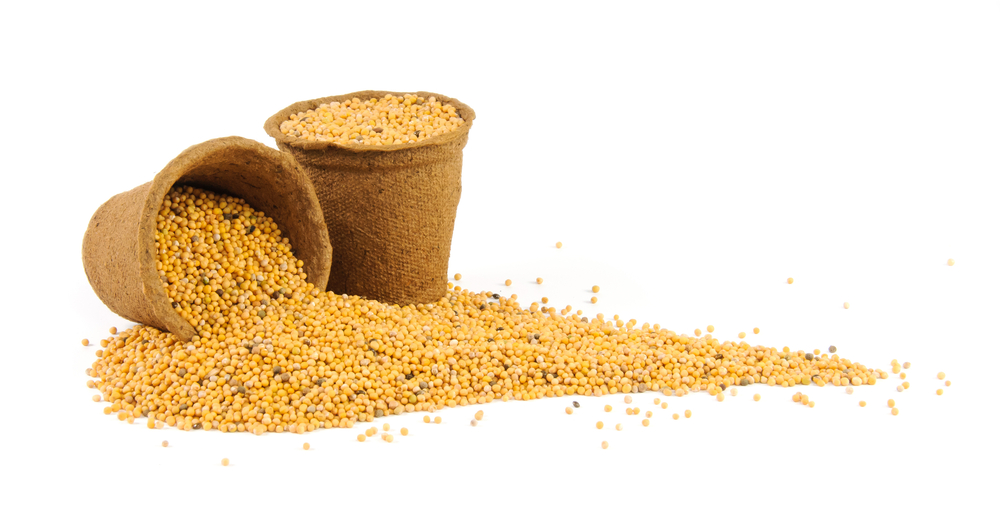
You might not have thought about it before, but growing your own mustard at home is surprisingly easy! This spice plant is incredibly low-maintenance and will thrive just about anywhere. If you’re ready to add some homegrown zing to your pantry, here is everything you need to know about sowing mustard seeds.
Choosing the Right Variety
Before you get your hands dirty, you’ll need to decide which type of mustard you want to grow. The most common is yellow (also called white) mustard, but you can also find brown and black varieties. They don’t just differ in flavor and heat levels—they also grow to very different heights.
If you’re short on space, I recommend sticking with white or yellow mustard. These plants usually stay between 12 and 28 inches tall, making them perfect for container gardening. On the other hand, black mustard can tower up to 6 feet high, so you’ll definitely want to save a spot in the garden bed for that variety!
When to Plant
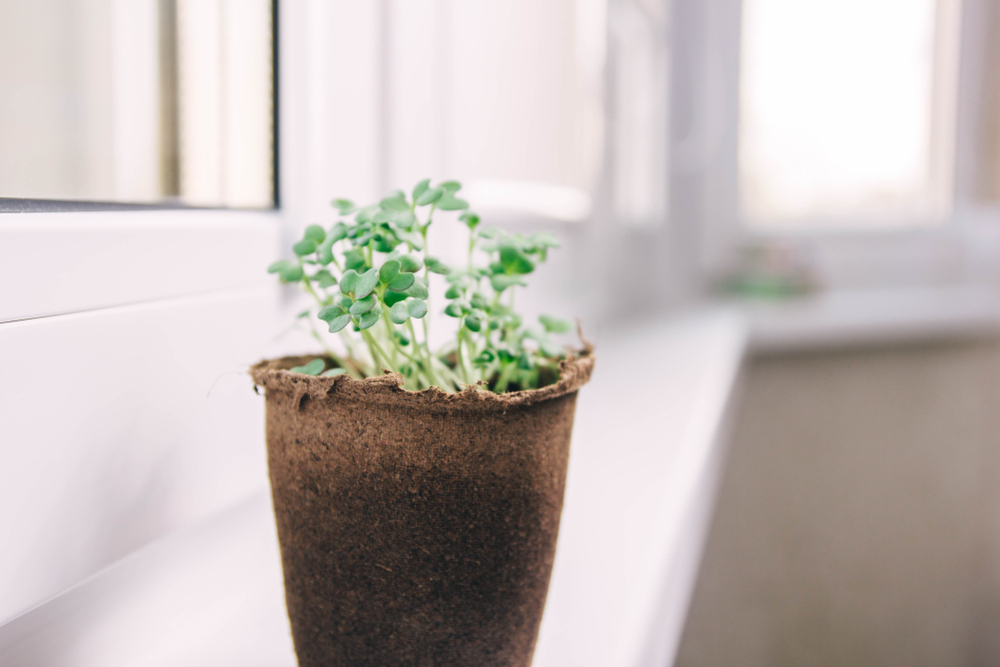
Technically, you can sow mustard seeds year-round, but there are a few things to keep in mind. Since young sprouts are sensitive to frost, you should wait until after the last spring frost (usually mid-May) to move them outside. If you’re eager to get a head start, you can easily start your seeds indoors on a sunny windowsill.
If your goal is to harvest the actual seeds, it’s best to sow them a bit later, around May. This timing ensures the plants bloom during the summer, allowing you to collect the dried seeds in the fall.
How to Sow Your Mustard Seeds
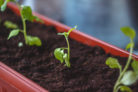
Depending on where you’re planting, start by loosening the garden soil or filling a pot with a good potting mix. Give the soil a light watering before you begin. Place your seeds in the dirt, keeping them about 6 to 8 inches apart.
You can definitely sow them more densely if you prefer—especially outdoors where birds might try to snack on them—but just keep in mind you’ll need to thin the seedlings out later. Cover the seeds with a thin layer of soil (about an inch deep) and give them a good soak.
The most important thing is to make sure the seeds and young plants get plenty of light and stay well-watered until they germinate. The tiny seeds can dry out quickly, which stunts their growth. The best part? Once they’re established, you don’t need to worry about fertilizer or any fancy maintenance!